Open any wellness page and you’ll spot someone selling a magic tea or a three-day cleanse that supposedly flushes your liver clean overnight. Here’s the truth about cleansing and detoxifying the liver, and no, it’s not nearly as dramatic as social media makes it out to be. It matters more for your long-term health than any bottle on a shelf. Let’s get into what’s myth, what’s real, and what actually helps.
Key Takeaway
- Your liver detoxes itself 24/7; no tea or cleanse speeds it up.
- “Cleanse symptoms” are just from under-eating, not toxins leaving.
- Real support: hydration, sleep, balanced meals, and movement.
- Fatty liver diet: more veggies and protein, less sugar and fried food.
- Yellow skin, fatigue, or sudden weight loss? See a doctor, not a remedy.
How Your Liver Actually Works
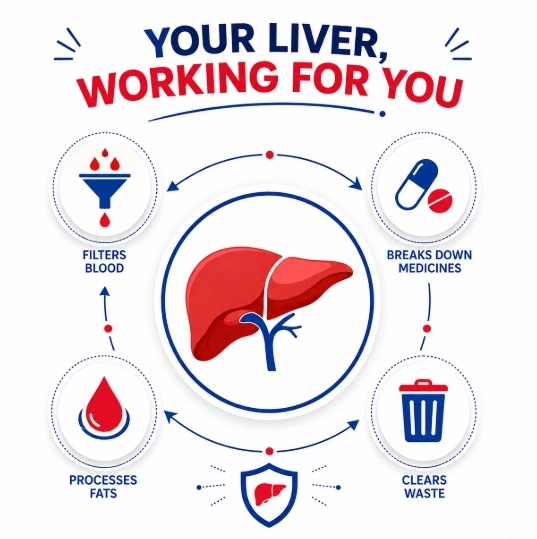
Your liver doesn’t really clock out, ever. It filters your blood, breaks down medicines, handles fats, and clears waste around the clock, and it does this whether you take a supplement or not. That part surprises a lot of people.
Everything you eat or drink passes through your liver first. It sorts through all of it quietly, deciding what your body keeps and what needs to go. Most of us never notice any of this happening, which is kind of the point.
That’s probably why people ignore their liver until something feels off. Feeling worn out, bloated, or a dull ache under your right ribs, worth paying attention to. Once you get how your liver already works on its own, spotting which products are useful versus which ones are just noise gets a lot easier.
Common Liver Detox Myths You Should Stop Believing
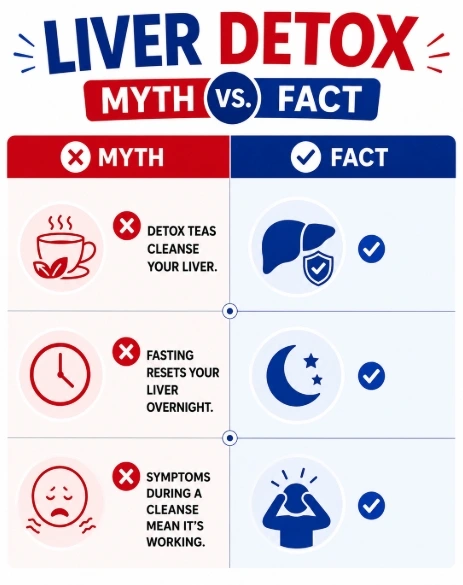
Does liver detox actually work the way influencers claim? Not really. Your liver was never built to need a juice cleanse, and nothing sold online clears toxins faster than what your liver already does by itself. Every day, no help is required.
A lot of people search for the symptoms of liver cleanse hoping it means their new tea is doing something. Truth is, what they’re feeling, headaches, tiredness, maybe some nausea, is usually just the body reacting to eating way less than normal. That’s not a cleanse. That’s just hunger.
Then there’s the myth that fasting resets your liver overnight. Skipping meals suddenly puts real stress on your body and can throw off your electrolytes too. If you’re wondering how to treat electrolyte imbalance the safe way, it usually comes down to drinking enough water and eating balanced meals, not starving yourself and hoping for the best.
One rule worth keeping in your back pocket: most detox products never go through the kind of testing real medicine does. Before spending money on one, ask if the claim sounds too good to be true. With liver detox, it usually is.
What Real Liver Support Looks Like
If tea and cleanses aren’t the answer, what is? Honestly, it’s boring stuff. Does drinking water help your liver? Yes. Staying hydrated keeps your blood flowing well and helps your kidneys and liver clear out waste together, all day long.
Sleep matters more than people give it credit for. Your liver does most of its repair work while you’re asleep, so decent rest gives it the time it needs to bounce back from everything it processed that day, food, drinks, whatever else came its way.
I get asked a lot about taking a supplement for liver health, usually from people hoping it’ll speed things up. Some vitamins help, sure, but none of them replace eating well. Check with your doctor first too, especially if you’re already on medication, since some combinations do more harm than good.
You’ve probably seen liquid chlorophyll drops popping up in wellness routines lately. There isn’t much solid research tying them directly to liver health, but plenty of people add a few drops to their water anyway, mostly as part of a healthier habit rather than any real fix.
Dandelion Tea and Natural Helpers Worth Knowing
Dandelion tea keeps coming up in these conversations, and there’s a reason for it. Some early research suggests dandelion root might help your body produce more bile, which makes breaking down fat after a meal a bit easier.
If you’ve searched dandelion tea for liver detox, here’s the honest answer: it won’t work miracles, but it’s a nice addition to a routine that’s already headed in a good direction. Pair a warm cup of dandelion tea with decent sleep and enough water, and you’re on a much more realistic path than chasing overnight results from one ingredient.
Some people just like sipping dandelion tea in the evening because it feels calm, not because they expect it to fix anything. Used that way, it’s a small, pleasant part of a bigger routine built around rest, movement, and eating well, not a substitute for any of it.
Eating and Moving for a Healthier Liver
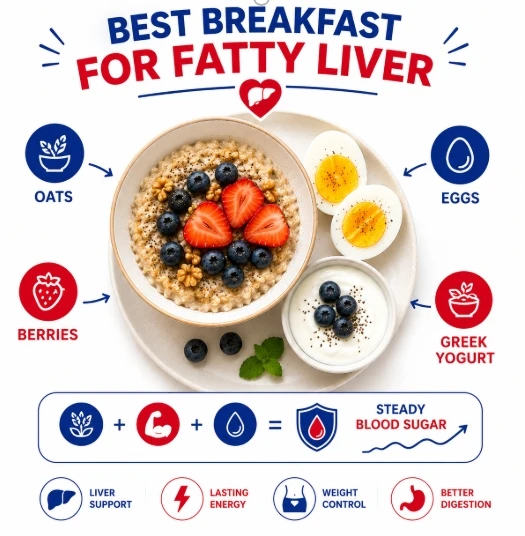
If you’re dealing with fatty liver, food choices matter more than most people realize. A good fatty liver diet plan usually centers around vegetables, lean protein, whole grains, and healthy fats, while cutting back on sugar and fried food since those make your liver work overtime.
Breakfast is probably the easiest place to start. The best breakfast for fatty liver often looks like oats, berries, and something with protein, eggs or Greek yogurt work well. This keeps blood sugar steady instead of spiking it first thing in the morning.
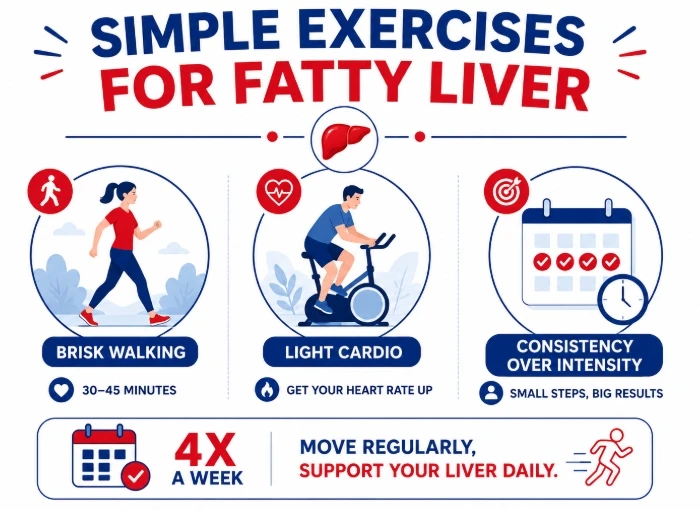
Moving your body counts just as much as what you eat, even if the gym isn’t your thing. Simple exercises for fatty liver like walking briskly a few times a week, can lower liver fat and help your body handle insulin better. Consistency beats intensity here, every time.
Put these pieces together and your liver starts responding. A better breakfast, a short walk after dinner, an extra glass of water instead of soda, small habits like these add far more than any short-lived cleanse ever will.
Chronic Liver Diseases
Detox myths matter partly because they pull attention away from real, long-term liver conditions that no tea or cleanse can treat. These are the main chronic liver diseases doctors diagnose and manage:
- Steatotic (Fatty) Liver Disease: Includes MASLD (metabolic dysfunction-associated steatotic liver disease) and MASH, caused by fat buildup in the liver linked to metabolic health.
- Chronic Viral Hepatitis: Long-term infections caused by the hepatitis B or hepatitis C viruses.
- Alcohol-Associated Liver Disease (ALD): Ongoing liver injury and inflammation caused by long-term, heavy alcohol use.
- Autoimmune Hepatitis: A chronic condition where the body’s immune system attacks healthy liver cells, causing inflammation.
- Primary Biliary Cholangitis (PBC): An autoimmune disease that damages the small bile ducts inside the liver.
- Primary Sclerosing Cholangitis (PSC): A disease causing inflammation and permanent scarring of the bile ducts.
- Cirrhosis: Advanced, permanent scarring of liver tissue that replaces healthy cells after long-term damage.
- Inherited/Genetic Disorders: Conditions like Wilson disease, hemochromatosis, and alpha-1 antitrypsin deficiency.
For hepatitis B in particular, the World Health Organization publishes guidelines for the prevention, care and treatment of chronic hepatitis B infection.
Fatty liver, the condition the food and exercise tips above focus on, is only one item on this list. The others need proper testing and medical treatment, which is where a specialist comes in.
When to See a Specialist
Good habits at home go a long way, but they’re not a replacement for actual medical care. If your skin starts looking yellow, you’re exhausted all the time, or you’re losing weight without trying, talk to a doctor instead of reaching another herbal remedy first.
Here in Mckinney Texas, plenty of people dealing with fatty liver turn to a trusted center for digestive & liver health for real testing and honest guidance. A specialist can run bloodwork, check for any scarring, and build a plan around your actual situation instead of some generic tips found online.
Liver bloodwork is usually done as a liver function test (LFT) panel. The table below shows the common parameters and their typical normal ranges.
LFT Parameters and Normal Ranges
| Parameter | Normal Range | Unit | What It Measures |
| ALT (SGPT) | 7 to 56 | U/L | Liver-specific enzyme; high levels indicate cell injury. |
| AST (SGOT) | 10 to 40 | U/L | Enzyme found in the liver, heart, and muscles. |
| Alkaline Phosphatase (ALP) | 44 to 147 | U/L | Enzyme linked to bile ducts and bone. |
| Total Bilirubin | 0.1 to 1.2 | mg/dL | Waste product from red blood cell breakdown processed by the liver. |
| Direct Bilirubin | 0.0 to 0.3 | mg/dL | Conjugated bilirubin processed directly by the liver. |
| Albumin | 3.4 to 5.4 | g/dL | Main protein produced by the liver. |
| Total Protein | 6.0 to 8.3 | g/dL | Combined measurement of albumin and other globulin proteins. |
| GGT | 9 to 48 | U/L | Enzyme sensitive to bile duct stress, toxins, or alcohol. |
Reference ranges can vary slightly between laboratories, so a doctor needs to interpret your results alongside your symptoms and medical history.
Catching problems early makes a real difference. Don’t wait until symptoms get worse to start asking questions. One conversation with a professional can save you months of guessing and give you real answers based on your own body and test results.
Most studies show limited evidence that detox supplements meaningfully improve liver function in healthy people. The liver already filters toxins on its own, and many of these products simply lack strong clinical backing to support their claims.
Yes, staying hydrated helps the liver process nutrients and flush out waste more efficiently, supporting its overall function naturally without needing extra products or supplements.
Aerobic activities like brisk walking, cycling, and swimming, combined with light strength training, are shown to lower liver fat when done consistently several times a week.
Some people report better digestion, fresher breath, and mild antioxidant support after using chlorophyll drops regularly, though large scale human research on these benefits remains fairly limited so far.
Bloating, fatigue, nausea, and changes in bowel habits are commonly reported after a cleanse, often temporary as the body adjusts to the shift in diet and routine.
How we can help for liver detoxifying
Cleansing and detoxifying the liver just comes down to simple, steady habits, not trendy products. Water, sleep, movement, and thoughtful eating do the real work your liver needs; no juice cleanse required.
If you want real guidance instead of another wellness fad, PeoplesMedCare is a solid place to start, especially here in Texas. Their resources connect you with specialists who understand fatty liver, proper testing, and long-term care. Skip the guessing and the trends, and get real support built around your actual needs.