
Some days you just don’t feel like yourself. Sleep doesn’t come easy, your energy dips, your mood shifts without warning, and your body seems to be following a new set of rules. It’s frustrating, and too many women are told to just push through it. You shouldn’t have to.
The right care starts with someone who listens, then builds a plan around your symptoms, your health history, and your goals. That plan can include hormone therapy, natural and bioidentical options, and support for everyday symptoms like hot flashes, poor sleep, and dryness. This guide on Menopause and Hormone Therapy (Women’s Health) explains what’s happening in your body and what your options are, so you can take the next step feeling informed and supported.
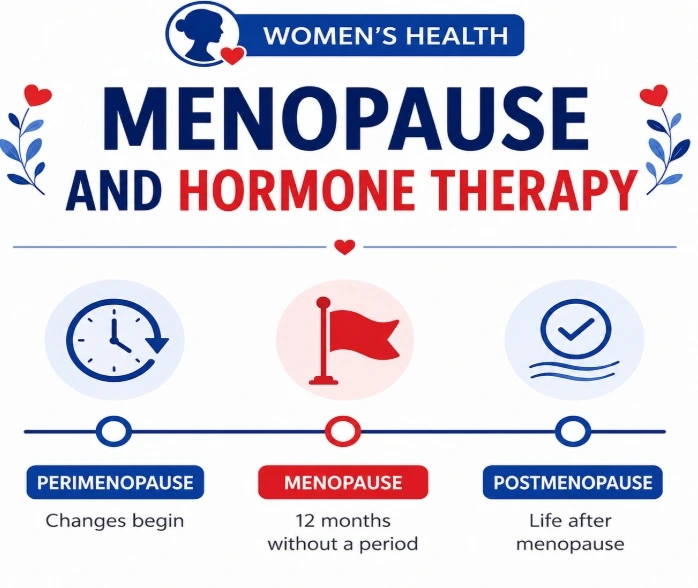
Key takeaway
- Early signs include irregular periods, hot flashes, and mood changes.
- Menopause is confirmed after twelve months without a period.
- HRT eases hot flashes, improves sleep, and protects bones, but isn’t for everyone.
- Natural hormone options suit women avoiding pharmaceutical hormones.
- Vaginal dryness and hot flashes are common and treatable.
What Is Menopause?
Menopause is when your body naturally stops having periods for good, usually marking the end of your reproductive years. It typically happens between ages 45 and 55, as your ovaries slow down hormone production. The years leading up to it, called perimenopause, often bring the symptoms most women notice first.
What Is Hormone Replacement Therapy (HRT)?
Hormone replacement therapy, or HRT, is a treatment that helps manage the symptoms of menopause. Healthcare providers also call it hormone therapy, especially when treatment starts after age 50, while HRT is the more common term when treatment begins earlier, often before age 40.
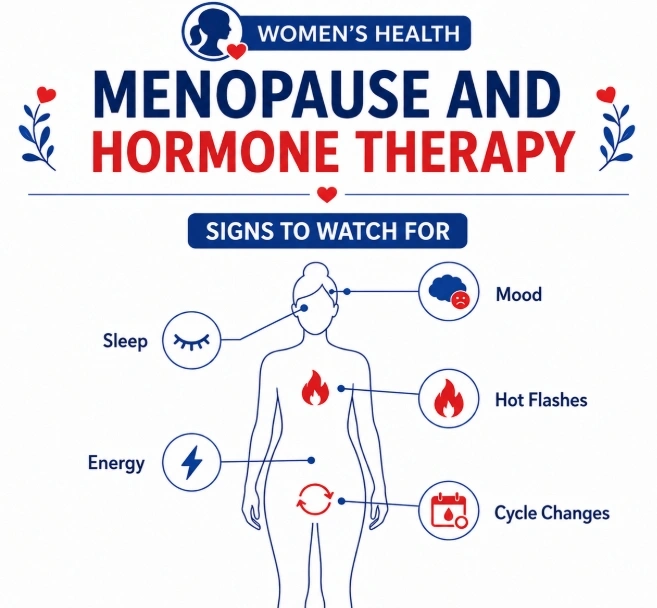
As your ovaries make less estrogen, this can lead to symptoms like:
- Hot flashes.
- Night sweats.
- Vaginal dryness and painful sexual intercourse.
- Mood swings, depression or irritability.
- Insomnia.
- Leaking pee.
HRT works by replacing the hormones your body isn’t making enough of, and once levels rise, most people find real relief. Whether HRT is right for you is a conversation worth having with your doctor.
Ways to Take HRT
There are two main ways HRT gets taken, systemic and local, and the right one depends on what symptoms you’re dealing with.
Systemic hormone therapy enters your bloodstream and travels throughout your body. This includes pills, patches, sprays, and gels, and it tends to work well for widespread symptoms like hot flashes and night sweats.
Local hormone therapy is applied directly to one area, usually as a vaginal cream, ring, or tablet. This is especially helpful when dry vaginal symptoms are your main concern, and local treatments tend to come in a much lower dose since they’re targeting just one area.
Risks of HRT
While HRT can bring real relief, it’s not without risks. Depending on your age, health history, and how long you take it, HRT has been linked to a slightly higher risk of:
- Blood clots.
- Stroke.
- Breast cancer, in some cases.
Risk levels vary from woman to woman, which is why your personal and family health history matters so much here. A doctor can walk you through your specific risk profile and help you decide if HRT is the right fit for your situation.
What Are the Benefits of HRT?
This one comes up constantly: what are the benefits of HRT therapy? A main benefit is that it relieves uncomfortable symptoms of menopause, which can genuinely improve your quality of life and get you back to doing things you actually enjoy.
For a lot of women, that means real, tangible relief. Fewer hot flashes mess up your day. Deeper, better sleep. A mood that feels like yours is again. Less vaginal dryness in the way of everyday comfort. It’s also been shown to help protect bone density, cutting your risk of osteoporosis down the road, something most women don’t think about until it’s suddenly a concern.
That said, HRT isn’t right for every woman. It comes with its own considerations tied closely to your personal and family health history, which is why this is genuinely a conversation for you and your doctor.
Recognizing the Signs of Early Menopause
Most women hit menopause somewhere between 45 and 55, that’s the usual window doctors mention. But sometimes it shows up early, sneaking in during your thirties or early forties, and knowing the signs of early menopause can genuinely change how you handle the whole thing.
What does it look like in real life?
Periods that used to run like clockwork suddenly don’t. Hot flashes that hit with zero warning. Nights where sleep just refuses to come. Mood swings that don’t even feel like you. Energy that’s just gone, no matter how much rest you get. A handful of women also notice vaginal dryness or shifts in fertility way earlier than they thought possible.
Under 40 and a few of these ring a bell? Bring it up with your doctor. Catching it early basically buys you more time and more options before things get more intense down the line.
Understanding Perimenopause Periods
Before menopause fully arrives, there’s this in between stretch called perimenopause, and this is where things start getting a little chaotic. Hormones climb and dip unevenly here, and your cycle’s usually the first thing to show it.
Perimenopause periods get unpredictable during this stretch. Skip a month completely, then get blindsided by a heavier one right after. Some women notice their cycles shrinking. Others find them stretching way longer than they’ve ever experienced. Nothing’s broken here, your body’s just easing off its hormone production, just not in any tidy, predictable way.
When Does Menopause End?
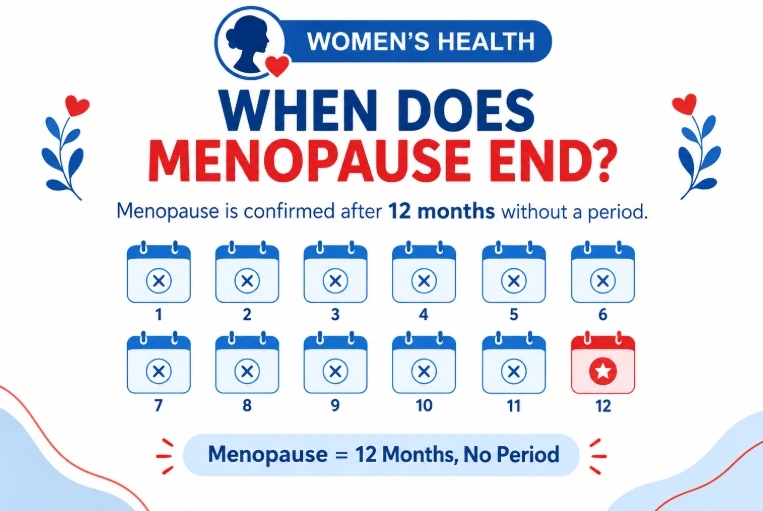
Pretty much every woman ends up asking this at some point: when does menopause end? The answer’s more exact than most people expect. Menopause itself is one specific moment, officially marked the second you’ve gone twelve straight months without a period.
Past that point, you’re postmenopausal, and that sticks for good. A lot of the tougher symptoms, hot flashes, bad sleep, mood swings, tend to fade within a few years of that twelve month mark. Some things, like vaginal dryness, can hang around longer without treatment, but still very manageable once you know your options.
Early Onset Menopause Treatment Options
Menopause arriving early can throw you off, especially when none of your friends are dealing with this yet. Early onset menopause treatment usually starts simple: a talk with your doctor about your hormone levels and how rough your symptoms actually are.
There’s no one fix that works for everyone. Depending on your health history, your doctor might point you toward hormone therapy, daily habit changes, or a mix of both.
Left unaddressed, early menopause can chip away at bone strength and heart health over time. So, treating it early isn’t just about feeling better now, it’s about protecting your health years down the line.
Natural Hormone Replacement for Menopause
Some women skip the pharmaceutical route entirely, and that’s a completely fair call. Natural hormone replacement for menopause has picked up serious popularity lately, leaning on plant based or bioidentical hormones built to act like what your body already makes on its own.
Some go with bioidentical hormone therapy specifically. Others go herbal instead, black cohosh, red clover, evening primrose oil, common names in natural health circles. Real relief does happen for some women through these routes, but treat it like you’d treat any hormone treatment, with a doctor tracking your levels.
Progesterone Levels During Menopause
Understanding progesterone levels during menopause tells you more than most women expect going in. Moving from perimenopause into full menopause, progesterone starts dropping, often faster than estrogen does in the earlier stages of the whole process.
That drop is a big reason behind symptoms you might already be feeling, irregular periods, anxiety, restless nights where sleep just won’t stick around. A quick blood test can show exactly where your progesterone levels stand.
Managing Hot Flashes and Night Sweats
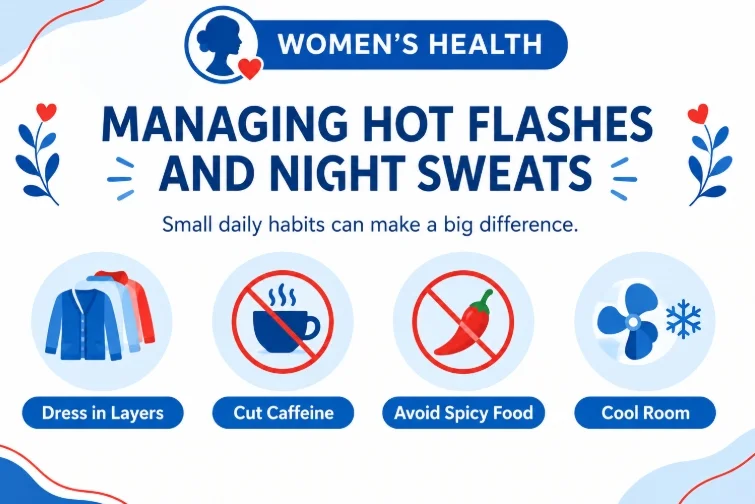
Not much feels as disruptive as hot flashes and night sweats. Good news though, real, effective treatments for hot flashes and night sweats do exist. Hormone therapy is one solid route. Non hormonal medications work for women who can’t or don’t want HRT. Small daily habits help too, layering clothes, cutting back on caffeine and spicy food, keeping your room cool at night.
Addressing Dry Vaginal
Dry vaginal symptoms are incredibly common during menopause, yet somehow this is still one of those things nobody talks about. It comes down to falling estrogen levels, which reduce natural lubrication and elasticity in vaginal tissue over time.
Ignore it, and it can turn into real, lasting discomfort, in everyday life and during intimacy too. It’s very treatable though. Topical estrogen therapy, moisturizers, broader hormone replacement therapy, all of it can help. This is absolutely worth mentioning to your doctor.
Why Trust Expert Advice from PeopleMedCare (PMC)
Menopause is confusing enough without sorting through conflicting information online. That’s why getting guidance from people who specialize in women’s hormone health, like the team at PeopleMedCare (PMC), makes such a difference. PMC focuses on personalized care that looks at your specific symptoms, health history, and goals, rather than handing out generic advice that doesn’t quite fit.
When it comes to something as personal as hormone therapy, having a trusted expert in your corner means fewer guesses and more real answers, tailored to you rather than a one size fits all approach.
There is no single best option; it really depends on your body and symptoms. Many women benefit from estrogen and progesterone therapy, while others prefer natural hormone replacement for menopause using bioidentical hormones or herbal support. The right choice comes from testing your levels and talking things through openly with your doctor.
The benefits of HRT therapy include fewer hot flashes, better sleep, a steadier mood, and reduced dry vaginal discomfort. It also helps protect bone density, lowering osteoporosis risk later on. Results vary from woman to woman.
Menopause is officially marked once you have gone twelve straight months without a period. After that point, you are considered postmenopausal for the rest of your life. Many symptoms ease within a few years of that mark.
Yes, dry vaginal symptoms respond really well to treatment. Options include topical estrogen therapy, regular moisturizers, or broader hormone replacement therapy, depending on severity. It is a common part of menopause, not something you have to just tolerate quietly.
Natural hormone replacement for menopause can be safe and effective for many women, especially bioidentical hormones or herbal options like black cohosh.
Moving Forward with Confidence
Menopause is a journey, not a single event, and every woman’s experience with it looks a little different. Understanding menopause and hormone therapy (women’s health) makes this whole stage feel a lot less overwhelming and a lot more within your control. Whether you’re weighing the benefits of HRT therapy or looking into natural hormone replacement, the real first step is just starting a conversation with a healthcare provider you trust.
If you’re in the McKinney, TX area and want guidance that feels personal instead of generic, connecting with a local women’s health specialist can make this whole transition a lot smoother, with a plan genuinely built around your body, your symptoms, and your life.