
If you’ve ever dealt with a sudden, sharp pain low in your belly and later found out it was diverticulitis, you already know how confusing the diet advice around it can get. One website says avoiding nuts. Another says that’s outdated. Someone’s grandmother swears with white rice. This diverticulitis diet guide is here to clear up the noise and give you something you can actually use.
Key takeaway:
- Diverticulitis flares up when pouches in the colon get irritated or infected, often causing lower belly pain
- During a flare, stick to clear liquids, then slowly rebuild with low fiber foods
- Nuts, seeds, and yogurt are safe for most people once symptoms settle
- Watch for fever, nausea, or worsening pain and get checked promptly
- A doctor who knows your history makes long term management easier
What’s Actually Happening with Diverticulitis
Diverticulitis happens when small pouches along the colon wall, called diverticula, get inflamed or infected. These pouches are pretty common, especially with age, and most people never know they have them since they don’t usually cause problems on their own.
The trouble starts when a pouch gets irritated or infected. Nobody knows exactly why it happens to one pouch and not another, but pressure in the colon, waste buildup, or trapped bacteria are all thought to play a role. Once irritation kicks in, symptoms show up, and what you eat suddenly matters a lot more.
That’s exactly why a solid diverticulitis diet guide matters so much for both recovery and prevention. The right foods can calm an irritated gut, while the wrong ones add more pressure and make things worse.
Diverticulitis Attack Symptoms to Watch For
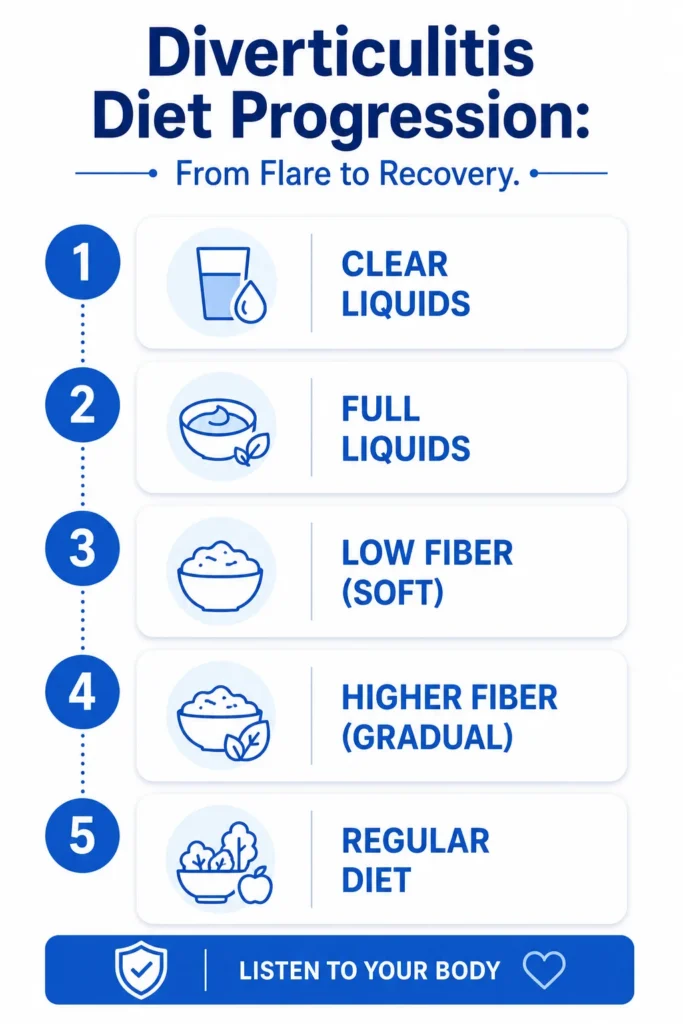
Knowing diverticulitis attack symptoms helps you catch a flare up early instead of pushing through it and making things worse. The most common sign is diverticulitis abdominal pain, usually on the lower left side of your belly, though it can show up elsewhere too.
Along with the pain, you might notice diverticulitis and bloating that doesn’t go away with normal digestion. Some people also deal with diverticulitis fever, which is usually a sign that inflammation has picked up. Diverticulitis nausea is common too, and in more serious cases, diverticulitis and vomiting can happen when the digestive system is really struggling to cope.
If you’re noticing several of these symptoms together, that’s your body telling you it’s time to slow down and pay attention, not push through with your normal diet.
Uncomplicated Diverticulitis vs a Bigger Problem
Most cases fall into what doctors call uncomplicated diverticulitis, meaning the inflammation is present but hasn’t led to complications like an abscess or perforation. This is the more common, more manageable version, and it usually responds well to diet changes and rest.
That said, uncomplicated doesn’t mean ignoring it. Left untreated, even a mild flare can escalate. Getting evaluated early keeps things from turning into something that needs more aggressive treatment down the line.
Getting a Proper Diagnosis
If you’re dealing with ongoing symptoms, a doctor will usually want to confirm what’s going on before recommending treatment. A diverticulitis blood test can check for signs of infection or inflammation in your body, giving your doctor a clearer picture beyond symptoms alone.
Imaging is often used alongside bloodwork to confirm the diagnosis and rule out anything more serious. This combination helps your doctor figure out whether you’re dealing with a mild flare or something that needs closer monitoring.
Diverticulitis Antibiotics and Treatment
Doctors commonly prescribe diverticulitis antibiotics for active infections to bring inflammation under control. Not every case needs them; some milder flares respond well to diet changes and rest alone. But when doctors confirm an infection, antibiotics play an important role in preventing complications.
It’s worth finishing the full course exactly as prescribed, even if you start feeling better halfway through. Stopping early can let the infection linger and increase the chances of it coming back sooner than it should.
The Diet That Helps During a Flare
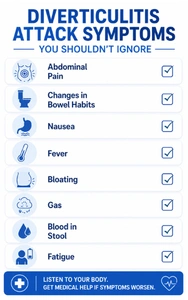
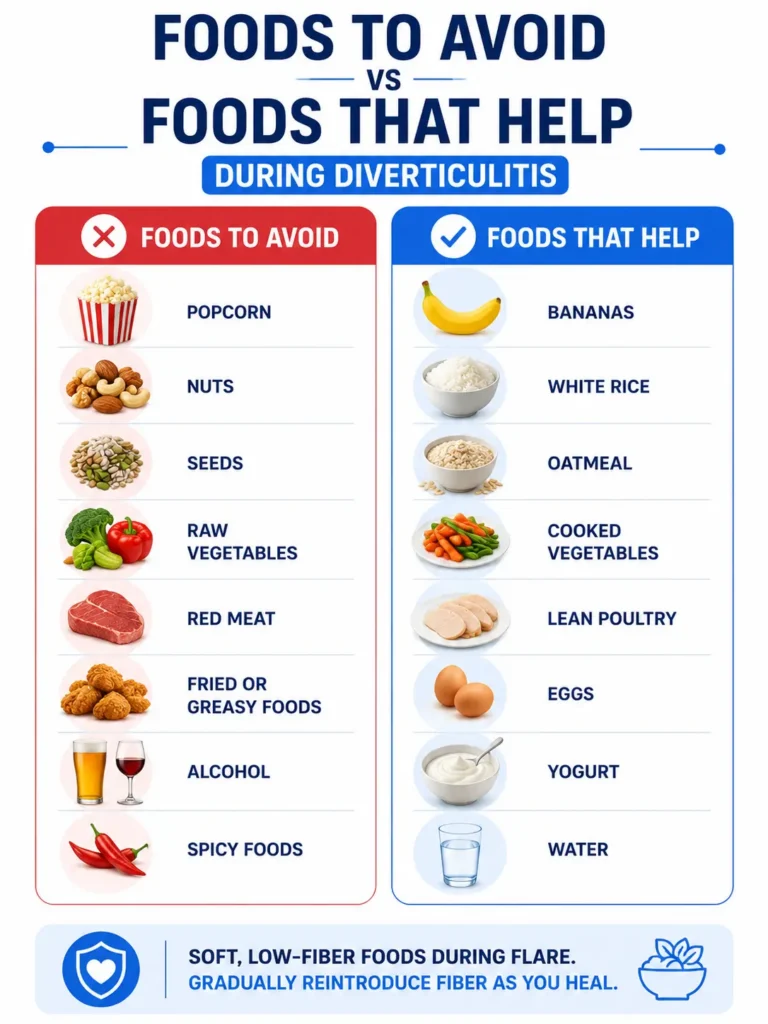
During an active flare, your gut needs a break. This usually means starting with clear liquids and slowly working back toward solid food as symptoms improve. Broth, water, and plain gelatin are common starting points before gradually adding low fiber foods like white rice, plain crackers, and well-cooked vegetables.
Oatmeal diverticulitis questions come up a lot here, and the answer is that plain, well-cooked oatmeal is usually gentle enough to reintroduce as symptoms calm down. It’s soft, easy to digest, and doesn’t tend to irritate an already sensitive gut the way rougher; higher fiber foods might during an active flare.
Once You’re Feeling Better: Building Back Fiber
Here’s where a lot of outdated advice causes confusion. For years, people believed anyone with diverticulitis needed to avoid fiber permanently. That’s actually backwards. Once a flare has settled down, a higher fiber diet is usually recommended long term, since fiber helps keep stool moving smoothly and reduces pressure in the colon, which may lower the chances of future flares.
The key is timing. Fiber gets slowly reintroduced after the acute phase passes, not during it. Jumping straight to a high fiber meal while you’re still symptomatic can make things worse.
What About Nuts and Seeds
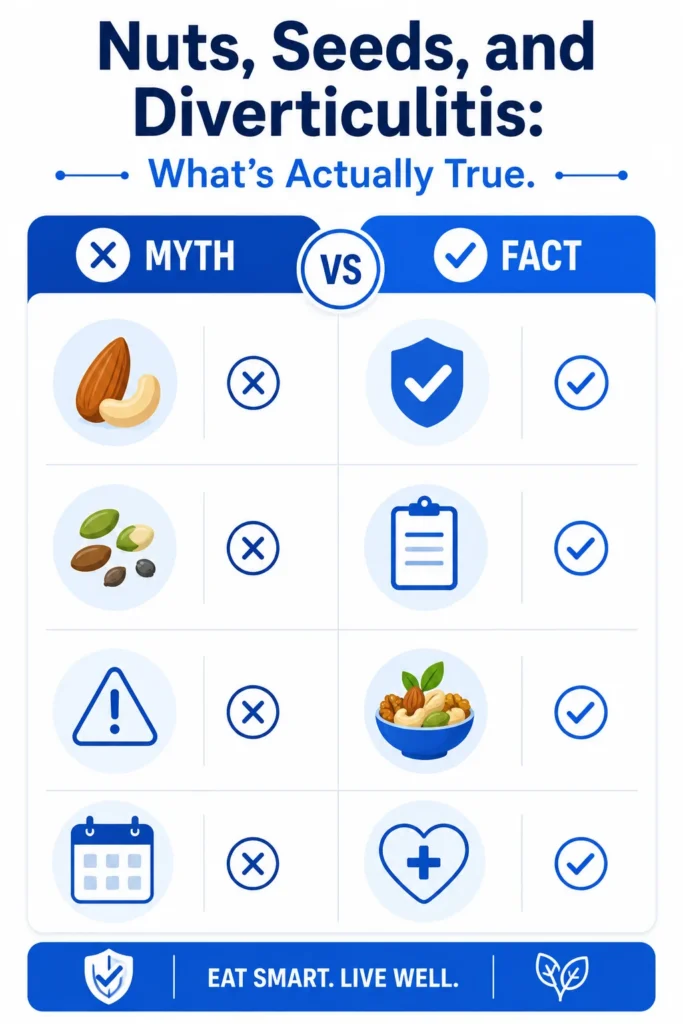
For a long time, doctors told patients to avoid nuts and seeds diverticulitis for life, worried these small particles could get lodged in the pouches and cause problems. Newer research has actually walked that advice back quite a bit.
So, can you eat nuts with diverticulitis? For most people, once they’re past an active flare and back to their normal diet, nuts and seeds are generally fine again. There’s no strong evidence that they trigger flares the way we once believed. That said, everyone’s gut responds a little differently, so it’s still worth paying attention to how your own body reacts.
Red Meat and Diverticulitis
Diet also plays a role in prevention, not just recovery. Some research links diverticulitis and red meat consumption particularly diets heavy in red and processed meats, with a higher risk of flares over time. This doesn’t mean cutting it out completely, but leaning toward more plant-based meals and lighter proteins may help reduce how often flares show up.
Is Yogurt Okay?
Good news here. Yogurt diverticulitis concerns are mostly unfounded. Plain yogurt, especially varieties with live active cultures, can actually be helpful for gut health. The probiotics in yogurt support a healthier gut microbiome, which may play a role in reducing inflammation and supporting digestion overall. It’s generally considered safe, gentle food both during recovery and as part of a long-term diet.
Symptoms of Diverticulitis
A common symptom of diverticulitis is pain in the abdomen, most often in the lower left side. The pain usually comes on suddenly and can feel intense, though sometimes it starts mild and gradually gets worse. Intensity can also vary over time.
Other signs and symptoms of diverticulitis may include:
- Nausea
- Fever
- Tenderness in the abdomen when touched
- Changes in stool, including sudden diarrhea or constipation
Putting Together a Realistic Diet Plan
A practical diverticulitis diet doesn’t have to feel restrictive forever. During a flare, stick to clear liquids and simple, low fiber foods. As symptoms ease, slowly bring back cooked vegetables, oatmeal, and lean proteins. Once you’re back to normal, gradually build fiber through whole grains, fruits, vegetables, and yes, nuts and seeds if your body tolerates them well.
Staying hydrated throughout this whole process matters just as much as what you’re eating. Fiber without enough water can actually make constipation worse, so the two need to work together.
When It’s Time to See a Specialist
If flares keep coming back, or if symptoms feel more severe than usual, it’s time to see a diverticulitis specialist rather than trying to manage things entirely on your own. Frequent flares, worsening pain, or symptoms that don’t improve with rest and diet changes are all signs that a deeper evaluation is needed.
Getting Care Close to Home
If you’re dealing with recurring symptoms, working with doctors of internal medicine mckinney trust can make a real difference in how quickly you get answers and relief. Internal medicine mckinney tx providers are equipped to run the right tests, prescribe treatment when needed, and help you build a long-term diet plan that fits your life instead of following generic advice you found online.
Diverticulitis usually feels like a sharp or cramping pain, most often on the lower left side of your belly. It can come with bloating, tenderness when touched, and sometimes fever, nausea, or a change in bowel habits during an active flare.
During an active flare, avoid high fiber foods, raw vegetables, whole grains, and anything hard to digest. Stick to clear liquids and simple, low fiber foods like broth, white rice, and plain crackers until symptoms improve.
Mild flares often improve within a few days to a week with rest and diet changes. More severe cases can take longer, especially if antibiotics or closer monitoring are needed.
Diets heavy in red and processed meat have been linked to a higher risk of flares over time. Shifting toward more plant based meals may help reduce how often flares occur.
See a doctor if you have fever, vomiting, worsening pain, or flares that keep returning. These signs may need testing and treatment beyond home care.
How Peoples Medical Care Guides Your Diverticulitis Recovery
Diverticulitis doesn’t mean permanent food restrictions. Ease into clear liquids during a flare, then rebuild fiber gradually as symptoms settle. Nuts, seeds, and yogurt are fine for most people, despite old myths. Watch for fever, nausea, or worsening pain, and don’t wait to get checked.
At Peoples Medical Care McKinney, the team looks beyond a single flare to build a sustainable long-term plan. Whether you need bloodwork, help rebuild your diet safely, or ongoing management for recurring symptoms, having a doctor who knows your history makes it easier. Peoplesmedcare connects you with McKinney doctors for real, personalized care.