
Most people don’t think about inflammation until something starts to hurt. A stiff knee in the morning. Bloating after meals that used to sit fine. Energy that disappears by midafternoon for no clear reason. What a lot of patients don’t realize is that these small, everyday complaints often trace back to one root issue, and food plays a much bigger role in it than most people expect.
Your team at Peoples Medical Care in McKinney sees this pattern often, and the good news is that a few consistent changes to your plate can shift how your body feels over time.
key takeaway:
- Chronic inflammation often hides behind everyday symptoms.
- Diet directly affects diabetes, weight, and joint pain.
- Gut health and sleep both influence inflammation levels.
- Small, consistent food swaps beat drastic overnight changes.
- Peoples Medical Care McKinney can guide your specific plan.
What Inflammation Actually Is
Inflammation itself isn’t the enemy. It’s your body’s natural response to injury or infection, and in short bursts, it actually helps you heal. The trouble starts when inflammation sticks around long after it should have packed up and left.
This brings us to the difference between acute vs chronic inflammation. Acute inflammation shows up fast and fades just as quickly. Think of the swelling around a sprained ankle. Chronic inflammation is quieter and slower. It lingers in the background for months or years, often without any dramatic symptom to flagging it, and it’s the kind that tends to wear down your health over time.
Signs of Chronic Inflammation You Might Be Missing
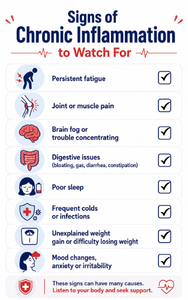
Signs of chronic inflammation rarely show up as one obvious red flag. Instead, they tend to show up as a cluster of things people brush off on as normal aging or a busy schedule. Persistent fatigue. Joint stiffness that doesn’t fully go away. Digestive issues that come and go. Skin that flares up for no clear reason. Frequent headaches.
None of these symptoms alone confirm chronic inflammation, but when several show up together and stick around, it’s worth bringing up with your doctor. A conversation with your McKinney primary care team can help connect these dots instead of treating each symptom as a separate issue.
How Inflammation Connects to Diabetes
The link between inflammation and diabetes runs deeper than most people realize. Chronic inflammation can interfere with how your cells respond to insulin, which sets the stage for insulin resistance and diet becomes one of the strongest tools for managing that risk.
When blood sugar stays elevated over time, it fuels more inflammation, creating a cycle that’s hard to break without addressing both sides. This is why so many diabetes management plans now include specific dietary guidance rather than focusing on medication alone. Cutting back on refined sugar and processed carbs isn’t just about blood sugar numbers; it directly calms the inflammatory response driving the whole cycle.

Inflammation and Weight Gain Go Hand in Hand
Here’s something that surprises a lot of patients. Inflammation and weight gain feed into each other in both directions. Excess to fat tissue, particularly around the belly, actually produces inflammatory compounds on its own. At the same time, chronic inflammation can make it harder for your body to regulate hunger and metabolism properly.
This means that simply cutting calories without addressing inflammation often leads to frustrating plateaus. Anti-inflammatory eating tends to support more sustainable results because it works with your body’s chemistry instead of fighting against it.
Arthritis and Joint Pain
Inflammation and arthritis are closely tied, and this connection shows clearly with osteoarthritis diet research. While osteoarthritis was once thought of purely as wear and tear on the joints, researchers now understand that inflammation plays a real role in how much pain and stiffness a person experiences day to day.
If you’re looking for a diet for joint pain relief, the goal isn’t a single miracle of food. It’s a consistent pattern of eating that reduces the overall inflammatory load on your body, which in turn eases pressure on already sensitive joints.
The Gut Health Connection
Your gut plays a bigger role in inflammation than most people give it credit for. Fermented foods gut health research keeps confirming this link. Foods like yogurt, kefir, sauerkraut, and kimchi introduce beneficial bacteria that help keep your gut lining strong and your immune response balanced.
A disrupted gut microbiome has been tied to higher inflammation throughout the body, not just in the digestive tract. Adding a small serving of fermented food to your daily routine is one of the easier changes to make, and it tends to pay off in ways beyond just digestion.
Stress, Sleep, and Inflammation
The diet isn’t the only piece of this puzzle. Cortisol and inflammation are closely linked, and chronic stress keeps cortisol elevated in ways that quietly fuel inflammatory processes throughout the body. Managing stress through simple daily habits, whether that’s a short walk, deep breathing, or just stepping away from screens for a bit, genuinely supports your inflammatory response.
Sleep and inflammation share a similar relationship. Poor sleep raises inflammatory markers, and elevated inflammation can make quality sleep harder to come by. Getting consistent, quality rest isn’t a luxury here; it’s part of the actual treatment plan.
Building Your List of Anti Inflammatory Foods
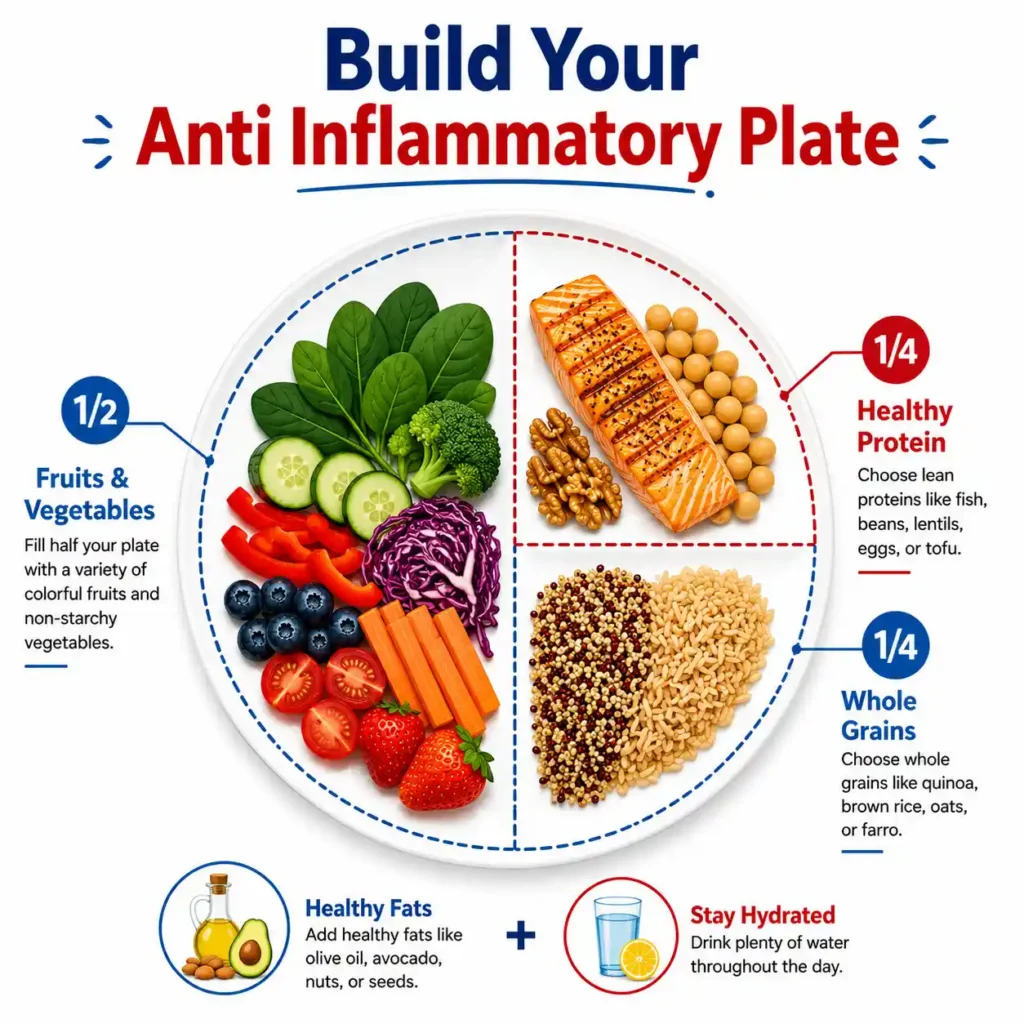
Now for the part, most people are here for an actual list of anti-inflammatory foods worth building your meals around.
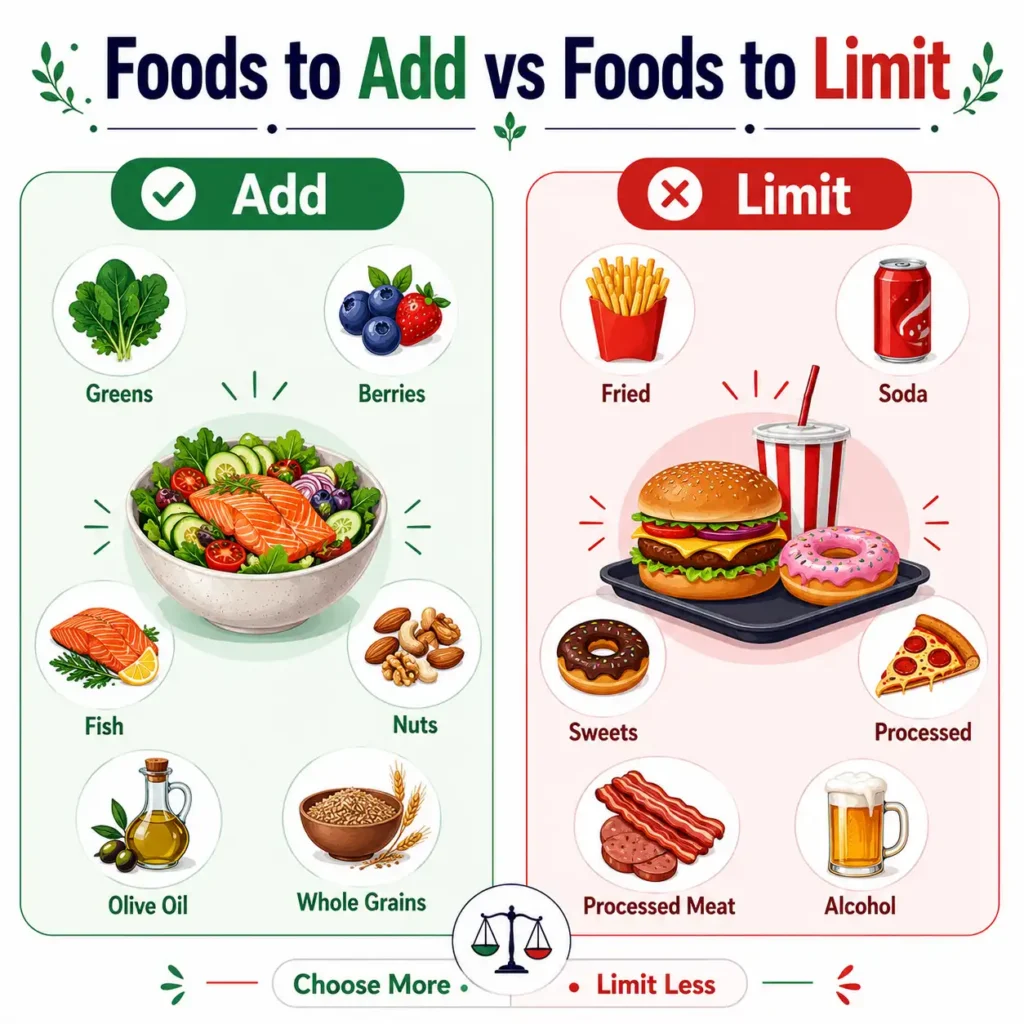
Leafy greens like spinach and kale bring antioxidants that help calm inflammatory responses. Fatty fish such as salmon and sardines deliver omega 3s that directly counter inflammatory pathways. Berries, especially blueberries and strawberries, are packed with compounds that reduce oxidative stress. Nuts and seeds, particularly walnuts and flaxseeds, offer healthy fats alongside fiber.
Avocado anti-inflammatory benefits come from its rich supply of monounsaturated fats and antioxidants, making it an easy addition to almost any meal, whether sliced onto toast or blended into a smoothie. Olive oil, turmeric, ginger, and garlic round out the list nicely, each bringing its own set of compounds shown to support a calmer inflammatory response.
A Simple Anti Inflammatory Salad Recipe
If you want an easy place to start, try building a salad around the base of spinach or arugula. Add sliced avocado, a handful of walnuts, some blueberries, and grilled salmon on top. Toss it with olive oil, a squeeze of lemon, and a pinch of turmeric for extra flavor and benefit.
This kind of anti-inflammatory salad recipe hits several categories at once; healthy fats, antioxidants, omega 3s, and fiber, all in one bowl. It’s simple enough to prep on a weeknight and flexible enough to swap ingredients based on what you have on hand.
Foods Worth Cutting Back On
Building a better plate isn’t only about adding good food. It also means being honest about what tends to work against you. Refined sugar, fried foods, processed snacks, and excessive red meat are all commonly linked to higher inflammation. This doesn’t mean cutting them out completely overnight. Small, steady reductions tend to stick better than drastic all or nothing changes.
Why This Matters for Your Long-Term Health
Chronic inflammation has been linked to a long list of conditions beyond joint pain and blood sugar issues, including heart disease and certain autoimmune conditions. Making changes to your diet won’t replace medical treatment when it’s needed, but it genuinely supports whatever plan your doctor has already put in place.
This is exactly the kind of conversation your team at Peoples Medical Care in McKinney is equipped to have with you. Rather than handing you a generic list and sending you on your way, they look at your specific symptoms, your labs, and your daily habits to figure out what changes will actually move the needle for you.
Making It Stick
The hardest part of any dietary shift isn’t knowing what to eat. It’s making the change stick over the first two weeks. Start small. Swap one meal a day for something on the anti-inflammatory list. Add fermented food to your routine. Prioritize sleeping for a week and notice how you feel.
Talk to your primary care team about testing for inflammation markers if you’re dealing with unexplained symptoms. Sometimes a simple blood test can confirm what your body has been trying to tell you for a while.
Your plate is one of the most powerful tools you have for managing how you feel day to day. With the right guidance from your McKinney primary care team, small changes at mealtime can add up to real, lasting relief.
Fatty fish, leafy greens, berries, and olive oil are commonly recommended first since they consistently show strong anti-inflammatory effects in research.
Chronic inflammation interferes with insulin function, which raises the risk of insulin resistance and makes blood sugar harder to control over time.
Yes. Reducing overall inflammation through diet can ease joint stiffness and discomfort, especially alongside other treatments your doctor recommends.
Yes. Poor sleep raises inflammatory markers in the body, and in turn, high inflammation can make restful sleep harder to achieve.
It helps, especially if you have an existing condition. Your primary care team can guide changes based on your specific health needs.
Your Next Step Toward Feeling Better
Inflammation doesn’t have to run the show. Small, consistent changes to what’s on your plate. More leafy greens, fatty fish, and fermented foods, paired with better sleep and stress management, can genuinely shift how you feel day to day. You don’t have to figure it out alone.
The team at Peoples Medical Care in McKinney can help you understand what’s happening in your body and build a plan that fits your life. If chronic symptoms have been lingering, reach out and start the conversation today.