Joint pain has a habit of becoming accepted by you long before you become aware of it. You begin to avoid stairs without realizing it. You start reaching for the top shelf less than one day you realize that you’ve slowly changed your whole routine to accommodate a joint that has been causing you trouble for months.
If any of this sounds familiar, it’s worth understanding what’s really going on and what genuine arthritis pain relief involves.
Key Takeaways
- Early signs of arthritis, like morning stiffness and mild swelling, are easy to miss but worth noticing.
- Chronic joint pain lasts three months or longer and needs more than rest.
- Arthritis pain relief works as a best as a mix of medication, movement, and physical therapy.
- Vitamin D, home remedies, and acupuncture can support treatment but don’t replace medical care.
- See an arthritis specialist if pain isn’t improving and talk about surgery only after other options.
Recognizing the Early Signs of Arthritis
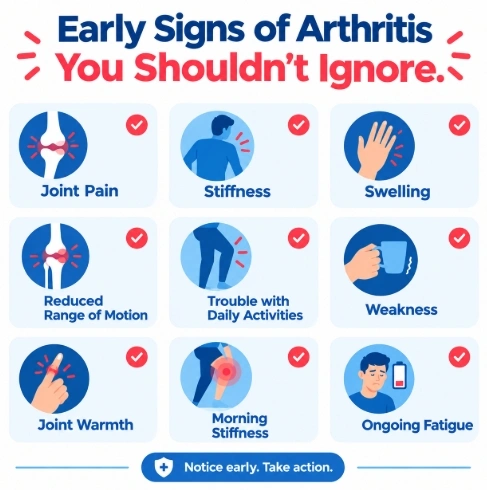
Catching problems early makes a real difference, but the early signs of arthritis are easy to ignore. Think slight stiffness in the morning that fades once you move, swelling after a long day, or a joint that just feels a bit off with no obvious injury behind it.
These minor signs are usually ignored since they aren’t disruptive enough to call for attention. However, arthritis seldom makes its presence known in a loud way at first; instead it develops slowly, which is precisely the reason it’s important to take notice of these slight changes rather than waiting for something dramatic to occur.
Understanding Joint Pain Symptoms
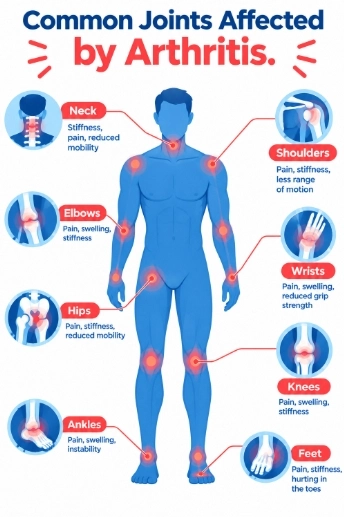
Joint pain symptoms look different from person to person. It depends on the type of arthritis and which joints are hurting. Still, a few signs show up repeatedly. Stiffness is a big one, especially after sitting or sleeping for a while. Swelling around the joint is common too. So cannot move it as far as before, plus a dull ache that gets worse the more the joint works.
Some people feel worse in the morning, then loosen up as the day goes on. Others get the opposite. They feel fine at breakfast, but by evening the joints are sore from all that use. Try jotting down when it hurts and what you were doing. It sounds small, but those notes can help your doctor figure out what’s going on much faster.
When Chronic Joint Pain Takes Over
There’s a real difference between joint pain from overdoing it at the gym and chronic joint pain that sticks around no matter how active you are. Chronic joint pain usually lasts three months or more and often points to an underlying condition, not just a temporary strain.
That difference matters, because chronic pain needs a different kind of treatment than a short term injury. Rest alone rarely works, and without a proper plan, the pain tends to get worse over time.
Why Cartilage Repair Is Important
Gradual deterioration of cartilage tissues primarily causes degenerative forms of arthritis such as osteoarthritis. The tissues act as a cushion that allows joints to glide over one another. Once the cartilage wears out, the chances of cartilage repair are very low.
It is essential to take preventative measures when it is still possible. Repairing cartilage tissues that were completely worn out is not an easy task. The earlier the process of joint destruction is interrupted the better. Maintaining a healthy weight, getting regular exercise that doesn’t strain the joints, and reducing unnecessary stress are some of the crucial steps in preventing the disease.
Building a Real Arthritis Pain Relief Plan
Effective management of arthritis pain almost never relies on a single solution; it generally requires a combination of different methods working in unison. Medication, whether an over the counter anti-inflammatory or a prescription, often helps with flare ups. But medication alone usually isn’t enough without other supporting habits. Following an anti-inflammatory diet can be one way to make informed food choices as part of an overall arthritis management plan.
Movement is one of the most important parts of managing arthritis long term. Staying still may feel protective, but joints that don’t move regularly get stiffer and more painful over time.
Why Arthritis Physical Therapy Works
Arthritis physical therapy aims at strengthening the muscles surrounding the joints affected by the condition, thereby reducing the pressure on the joints themselves. In addition, a competent physical therapist focuses on improving flexibility and range of motion in a safe and slow manner, rather than going through pain since this could make the situation worse.
Patients are often surprised at the extent to which physical therapy can improve their daily functioning, sometimes exceeding the effects of medication alone. While it is not a quick solution, sticking with it for weeks and months usually leads to substantial benefits.
Trying Joint Pain Home Remedies
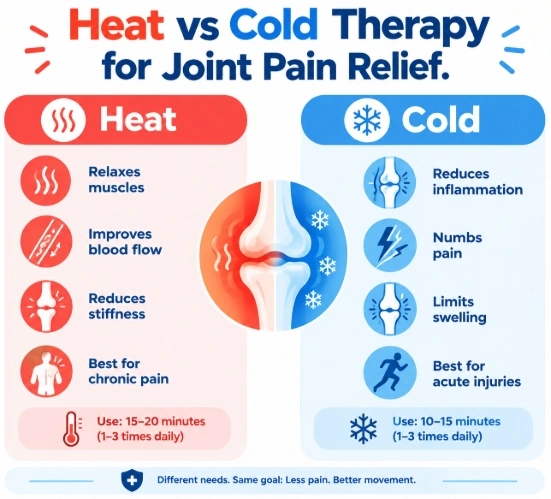
Many people also get real relief from joint pain relief home remedies alongside professional treatment. One of the easiest and most effective methods is to alternate between heat and cold therapy: using heat to loosen stiff joints before taking part in an activity and then using cold to reduce swelling afterwards.
Careful stretching, drinking enough fluids, and keeping a healthy weight to lessen the pressure on weight bearing joints all result in a noticeable improvement over time. Though none of these measures can take the place of medical treatment, they do work very well in conjunction with it, particularly when it comes to dealing with the everyday discomfort between flare ups.
Exploring Acupuncture for Arthritis
A number of patients go beyond standard treatment and achieve relief by means of acupuncture for arthritis. The research is still early, but some studies suggest it may reduce pain and improve function, especially in osteoarthritis.
Think of it as an add on, not a replacement for medical care. Talk to your doctor first, especially if you’re already on other treatments that could interact.
The Connection Between Chronic Pain and Mental Health
This aspect is frequently ignored, but it shouldn’t be. There is a strong connection between chronic pain and mental health. Over time, having persistent joint pain can gradually reduce your patience, disturb your sleep, and affect your general mood. It is quite common for chronic pain to lead to anxiety or a low mood, particularly when it prevents you from carrying out the activities you used to enjoy without any hesitation.
Ask your doctor about the link between arthritis and vitamin deficiency beyond vitamin D. Low nutrient levels can worsen inflammation and weaken the muscles around your joints.
Checking for Arthritis and Vitamin Deficiency
Ask your doctor about the link between arthritis and vitamin deficiency beyond vitamin D. Low levels of some nutrients can make inflammation worse or weaken the muscles around your joints, which makes pain feel stronger.
A basic blood test can spot these gaps and give you and your doctor a clearer picture of what’s behind your symptoms.
When Hip Replacement Surgery Becomes Part of the Conversation
For some patients, treatment eventually stops working. Hip replacement surgery becomes a real option when joint damage causes severe pain, even with medication and therapy.
Surgery is rarely the first step. If you’ve reached this point, your doctor can explain recovery and help decide whether you’re a good candidate.
Finding an Arthritis Specialist
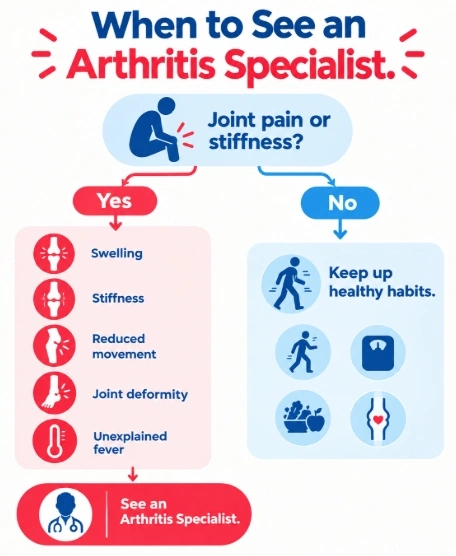
There comes a stage at which consulting an arthritis specialist proves to be helpful, particularly when your symptoms are not getting better with ordinary treatment or when your family doctor suspects a condition such as rheumatoid arthritis rather than simply normal wear and tear.
The specialist will be able to carry out more specific tests and develop a treatment plan tailored to your particular form of arthritis. The primary care team at Peoples Medical Care McKinney can arrange a referral.
Searching for Arthritis Treatment Near Me
If you’ve been delaying action about your joint pain, looking for arthritis treatment near me is a sensible first move, but beginning with a primary care provider that you already trust usually makes the entire process go more smoothly. Since they know your medical history, they will be able to help you decide on the appropriate next step, whether that involves physical therapy, blood tests, or a referral to a specialist. The team at Peoples Medical Care McKinney can review your symptoms, order bloodwork, and point you to physical therapy or a specialist.
Don’t Ignore Joint Pain
Arthritis symptoms and treatment needs vary from person to person. If joint pain keeps returning, worsens, or starts affecting everyday tasks, talk to a healthcare professional. The right assessment can help you understand the cause and choose a treatment plan that fits your needs.
Morning stiffness that fades with movement, occasional swelling, and a joint that just feels slightly off are common early signs worth mentioning to your doctor before symptoms worsen.
Chronic joint pain typically lasts three months or longer and often points to an underlying condition rather than a temporary strain, requiring a different treatment approach than rest alone.
Yes. Low vitamin D levels have been associated with muscle weakness, bone discomfort, and joint pain in some people. A simple blood test can help determine whether your vitamin D levels are low, allowing your healthcare provider to recommend appropriate supplements or treatment if needed.
Yes. Arthritis physical therapy strengthens muscles around affected joints, improves flexibility, and often improves daily function more than medication alone over time.
It’s usually considered after conservative treatments like medication and physical therapy no longer manage pain effectively, and joint damage significantly limits daily activities.
If symptoms don’t improve with general treatment or your doctor suspects something like rheumatoid arthritis, a specialist can run targeted testing and build a more specific plan.
How Peoples Medical Care McKinney Can Help
At peoples medical care mckinney, arthritis and joint pain don’t get brushed off as just part of getting older. The team takes time to understand your specific symptoms, checks for underlying factors like vitamin deficiencies, and builds a realistic plan that actually fits your daily life rather than a generic printout.
Joint pain doesn’t have to be something you just learn to live with quietly. With the right plan, real relief is possible, and it starts with a conversation.