You’ve probably pushed through a headache or a leg cramp without giving it much thought. Drink some water, rest a bit, and do it. And honestly, that works most of the time. But every now and then, what feels like everyday discomfort is your body waving a flag that something actually needs attention.
Dehydration and Body pain are far more connected than most people think. Losing fluid doesn’t just make you thirsty; it messes your muscles, joints, kidneys, and nervous system in ways that genuinely hurt. Knowing when that pain is worth worrying about? That’s something you want to figure out before you’re already thick.
key takeaway:
- Dehydration can cause headaches, cramps, joint pain, confusion, and a rapid heartbeat.
- Thirst is a late sign of dehydration, especially in children and older adults.
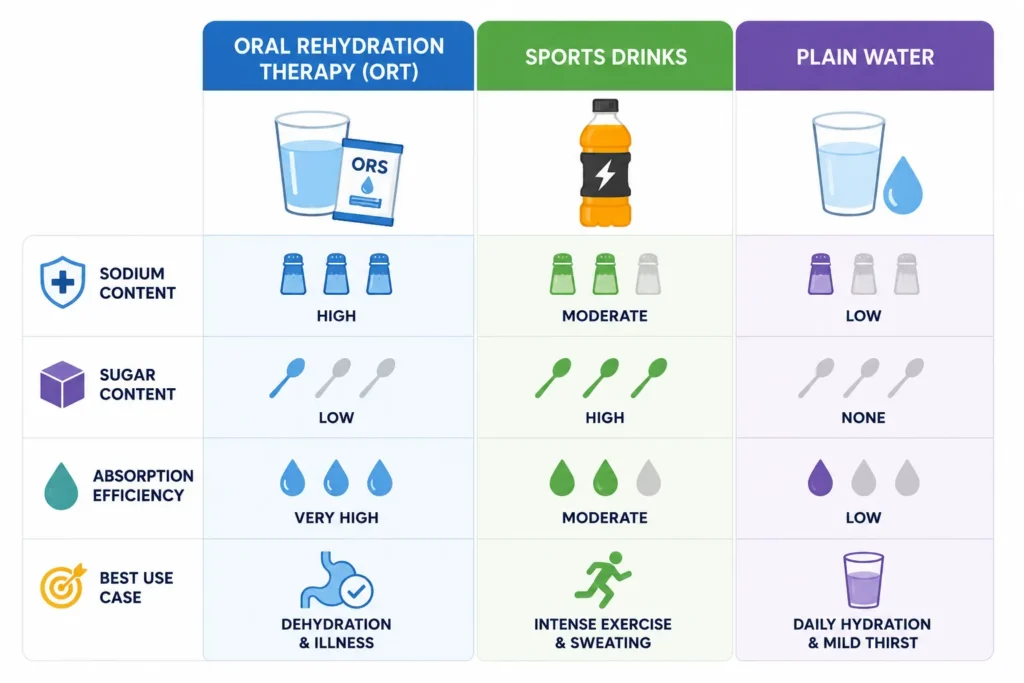
- Oral rehydration solution works better than sports drinks for dehydration.
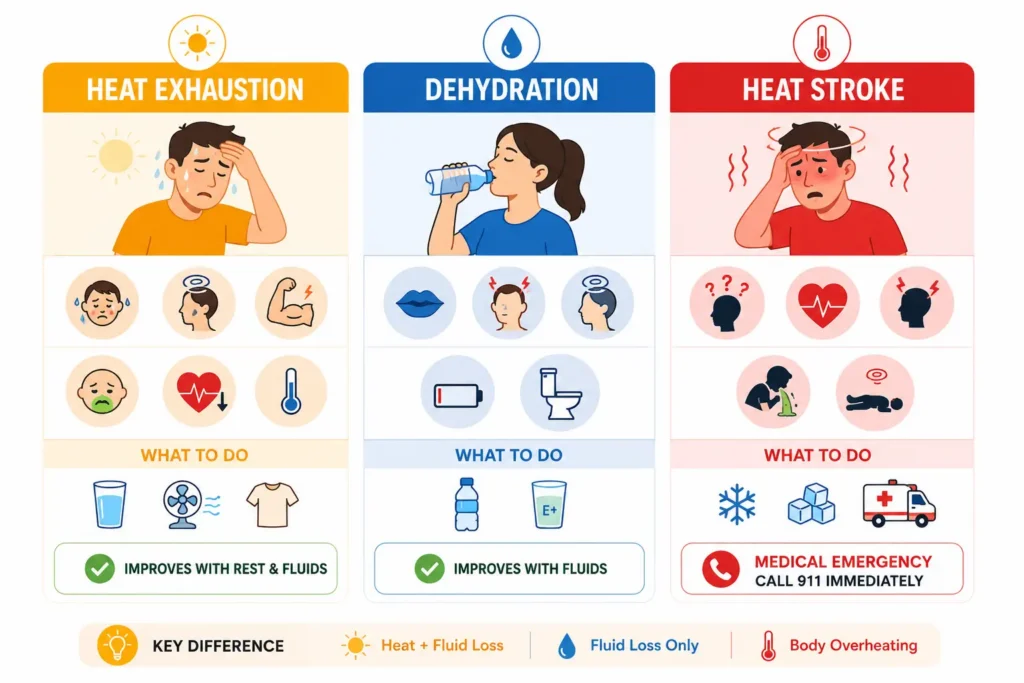
- Heat exhaustion and dehydration differ. Heat stroke is a medical emergency.
- Go to the ER for confusion, no urination (8+ hours), persistent vomiting, or chest pain.
What Dehydration Actually Does to Your Body
When you lose fluid faster than you take it in, your blood volume drops. As dehydration worsens, your heart has to work harder, your kidneys conserve water by producing less urine, and your body begins pulling water from its cells.
None of that feels good. Less blood volume means less oxygen getting to your muscles; that’s the fatigue and aching right there. And when your electrolytes drop the minerals that help your nerves and muscles actually communicate, things start misfiring. Cramping, spasms, shooting pain. All from not drinking enough.
The sneaky part? Thirst is a terrible early warning system. By the time you feel thirsty, you’re already mildly dehydrated. Older adults feel thirst even less reliably. Kids lose fluid faster than adults. Both can tip into moderate dehydration before anyone notices.
The Pain Symptoms That Dehydration Causes
Headaches from dehydration are probably the most common ones. Blood volume dips, the brain feels it, and you get that dull, steady pressure usually at the front of your head that gets worse when you stand up. Easy to mistake for a tension headache.
Can dehydration cause leg cramps? absolutely. Sweat takes sodium, potassium, and magnesium with it. Without those, nerves can’t signal muscles properly muscles contract when they shouldn’t and struggle to let go. That cramp waking you up at 2am after a hot day is almost always an electrolyte problem as much as a fluid one.
Dehydration and joint pain connect because cartilage is mostly water. The fluid that keeps your joints moving smoothly depends on your stay hydrated. Fall short consistently, and your knees and hips are usually the first to complain, especially in the morning or during activity.
Why does dehydration cause muscle cramps beyond just legs? Same electrolyte disruption, different location. Abdominal cramps, back spasms, even jaw tension can all trace back to significant fluid and mineral loss.
When It Stops Being Just Discomfort
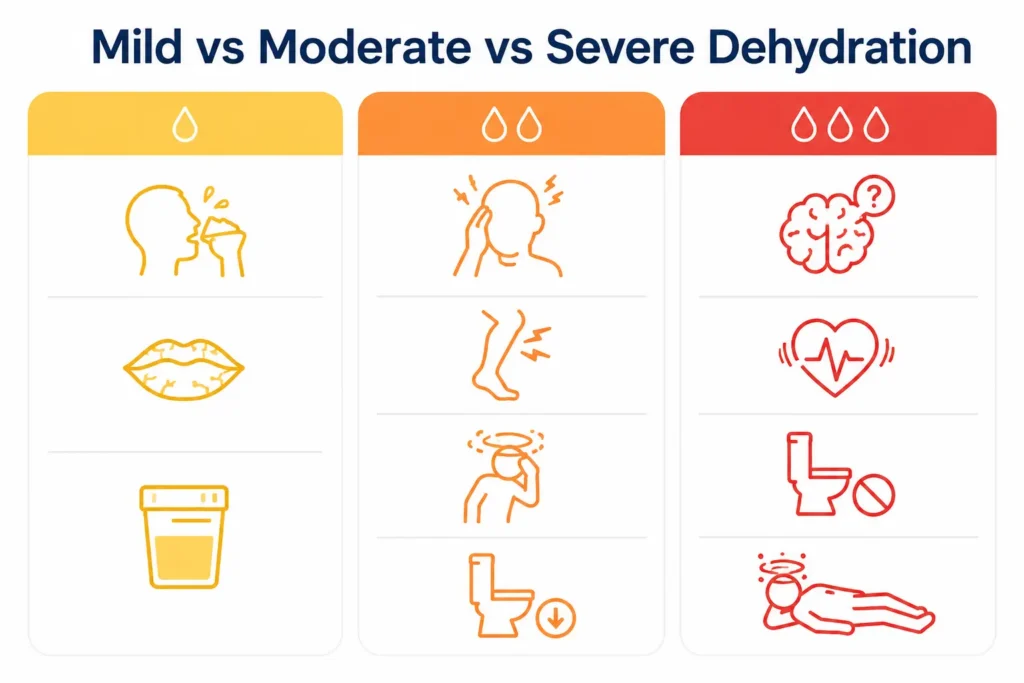
Mild dehydration is uncomfortable. Moderating to severe dehydration is a different situation.
Rapid heartbeat from dehydration is a clear signal things have escalated. Your heart is compensating for lower blood volume by pumping harder. That racing or pounding feeling, especially with dizziness when you stand, means your body is genuinely under stress.
Confusion from dehydration is a serious red flag. Even a two percent drop in body fluid affects concentration and memory. More significant dehydration causes real disorientation that can look neurological. If someone seems unusually out of it with no obvious explanation, dehydration needs to be ruled out fast.
Dehydration and kidney disease have an urgent connection. Your kidneys need proper blood flow and fluid to filter waste.
Can dehydration cause kidney damage? One episode of moderate dehydration usually won’t cause lasting harm in healthy people. But severe, prolonged dehydration especially in someone with existing kidney issues can push into acute kidney injury territory. Dark or barely-there urine is the warning sign.
Heat Exhaustion vs Dehydration
Related, but not the same, and the difference matters.
Heat exhaustion vs dehydration: dehydration is a fluid problem that can happen anywhere. Heat exhaustion is when dehydration combines with your body failing to cool itself under heat. Heavy sweating, nausea, dizziness, weak pulse, clammy skin that’s heat exhaustion.
Heat stroke is when it becomes a genuine emergency. Sweating stops, skin goes hot and dry; temperature spikes above 104°F, confusion or unconsciousness follows. Call emergency services immediately. No home management.
Heat exhaustion that doesn’t improve within fifteen minutes of cooling and fluids also needs emergency care. Dehydration caught early can stay at home.
How to Treat Dehydration at Home
For mild to moderate dehydration in an adult who isn’t vomiting constantly, home care is fine.
How to treat dehydration at home: small, steady sips, not big gulps. Four to eight ounces every fifteen to twenty minutes is what most unsettled stomachs can handle.
Plain water is enough for mild cases. When you’ve lost significant fluid through fever, vomiting, diarrhea, or heavy sweating, oral rehydration therapy works better. Pharmacy oral rehydration sachets replace electrolytes and fluid together in a ratio your intestines absorb well. Sports drinks don’t do the same job with too much sugar, not enough sodium.
Foods that help with dehydration are worth leaning on too. Watermelon, cucumber, oranges, and broth all contribute to fluid and electrolytes. Bananas help replace potassium specifically, which matters if leg cramps are in the picture.
Rest, cool environment, no caffeine or alcohol while you recover.
When to Go to the ER for Dehydration
This is the part that matters when home care isn’t working and pain management without medication isn’t touching it.
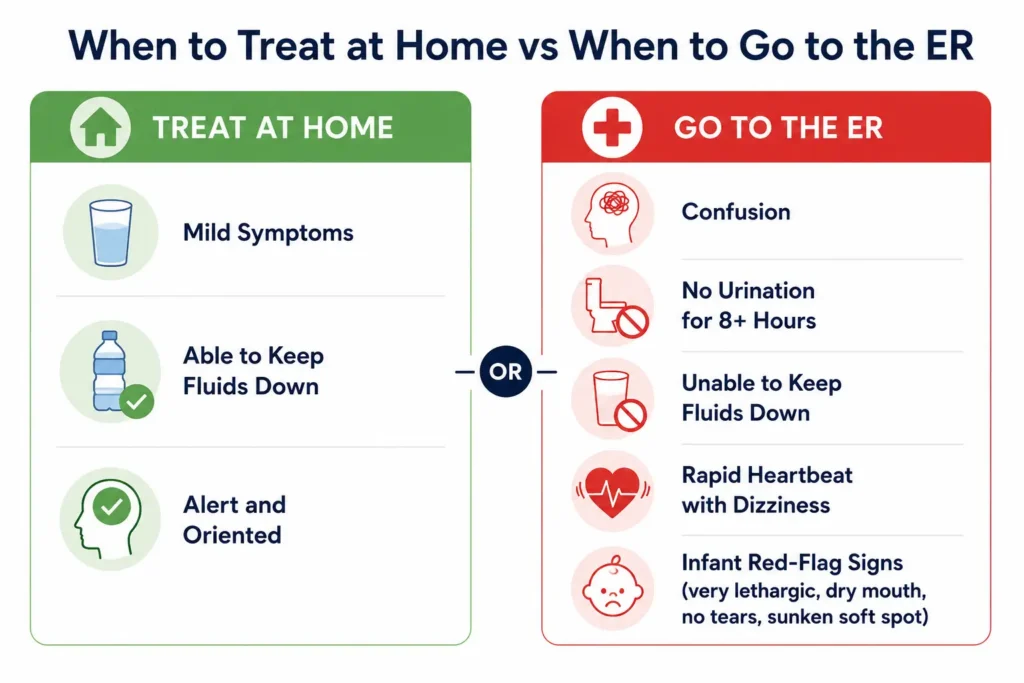
When to go to the ER for dehydration:
Go immediately if the person seems confused or you’re having trouble waking them up. No urination for eight or more hours in an adult is another sign that something is wrong and needs attention. If vomiting has made it impossible to keep any fluid down for several hours, home rehydration simply can’t do its job that’s when you need to go in. And if a rapid heartbeat is showing up alongside chest pain, trouble breathing, or fainting, don’t wait around. Get to the ER.
For babies and young children, act sooner. No wet diapers for hours, no tears when crying, a sunken soft spot, unusual drowsiness don’t wait.
Older adults need more care than younger ones. Dehydration moves faster in them; the confusion it causes hides how serious things are, and kidneys have less reserve.
Dehydration after surgery needs a specific mention. Nausea after a procedure cut into fluid intake right when your body needs it most. If you can’t keep fluids down after coming home from surgery, call your surgeon that day. Don’t sit on it.
Pain management without medication works beautifully when dehydration is the actual cause of proper rehydration clears up headaches, cramps, and joint pain without anything else. But when symptoms keep getting worse, when the pain is severe, or when any red-flag sign appears to get medical care. Waiting is not the right move.
Yes. Mild cramps usually improve with fluids and stretching. Seek medical care if cramps are severe, affect multiple muscles, don’t improve after rehydration, or occur with swelling, redness, or skin changes.
A dehydration headache should improve within 1–2 hours after rehydrating. Get urgent medical care if it’s sudden, severe, doesn’t improve, or comes with fever, confusion, vision changes, or neck stiffness.
Not always. Dehydration can reduce joint lubrication and cause temporary discomfort. If pain continues despite proper hydration or includes swelling, warmth, or redness, see your healthcare provider.
Sip an oral rehydration solution, rest in a cool place, and gently stretch cramped muscles. Most symptoms improve within 1–2 hours. Seek medical care if you can’t keep fluids down or symptoms persist.
Get medical help if you can’t keep fluids down, stop urinating, become confused, develop a rapid heartbeat, or have worsening pain. Post-surgical dehydration can quickly lead to serious complications.
Talk to a Real Doctor Before It Gets Worse
If you’re unsure whether what you’re feeling is just dehydration or something that needs proper attention, don’t guess. At People’s Medical Care Clinic, our team is here to help you figure that out quickly and without the stress of a long wait. Whether it’s persistent pain, worrying symptoms, or just something that doesn’t feel right, come in and get checked. Your body is telling you something. We’ll help you understand what you want.
Visit People’s Medical Care Clinic today because feeling better shouldn’t have to wait.