
Most people don’t think about health insurance until life forces the conversation. A birthday ending in five or zero. A job change. A parent needing more care than expected. A letter saying your plan is changing.
Suddenly you’re stuck in a maze of half familiar terms. Medicare Advantage. Medicaid. Part A. Part B. HMO. PPO. Prior authorization. It’s a lot to untangle when you’re just trying to figure out if your doctor is still covered.
This guide breaks down what Medicare Advantage and Medicaid actually are, how they differ, who qualifies, and what to know before making a decision about your coverage.
Key takeaway:
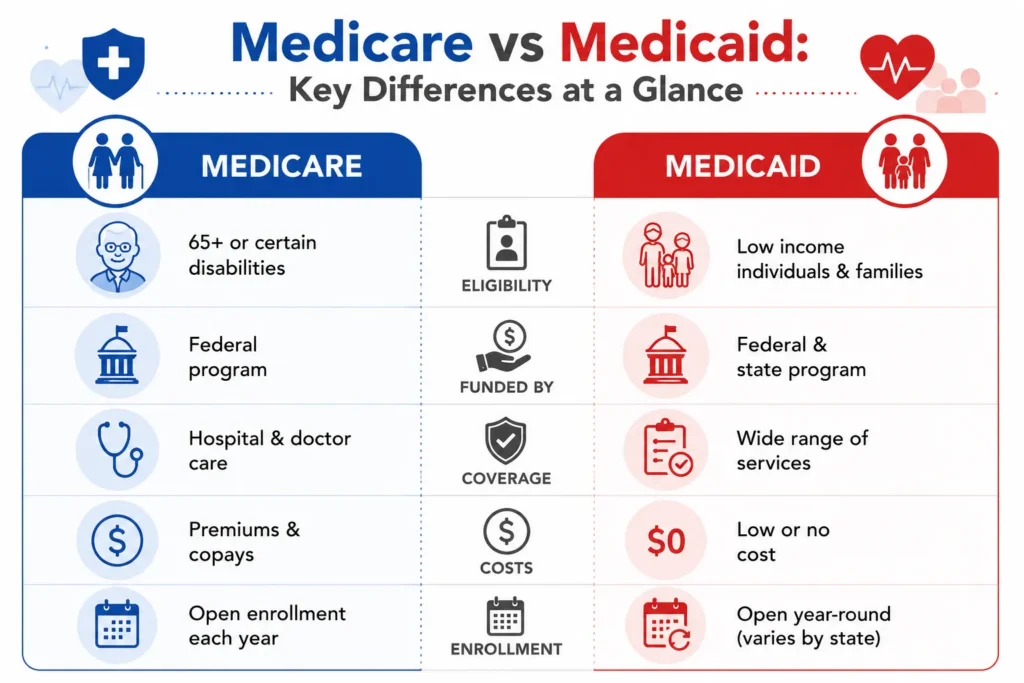
- Medicare depends on age, Medicaid depends on income.
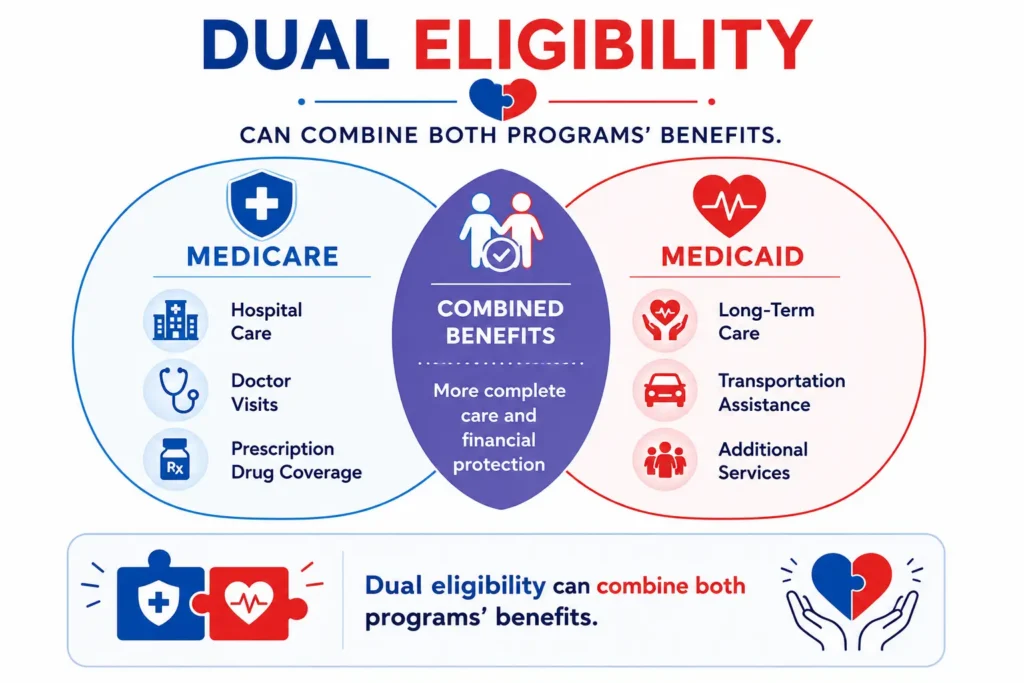
- Dual eligibility can combine both programs’ benefits.
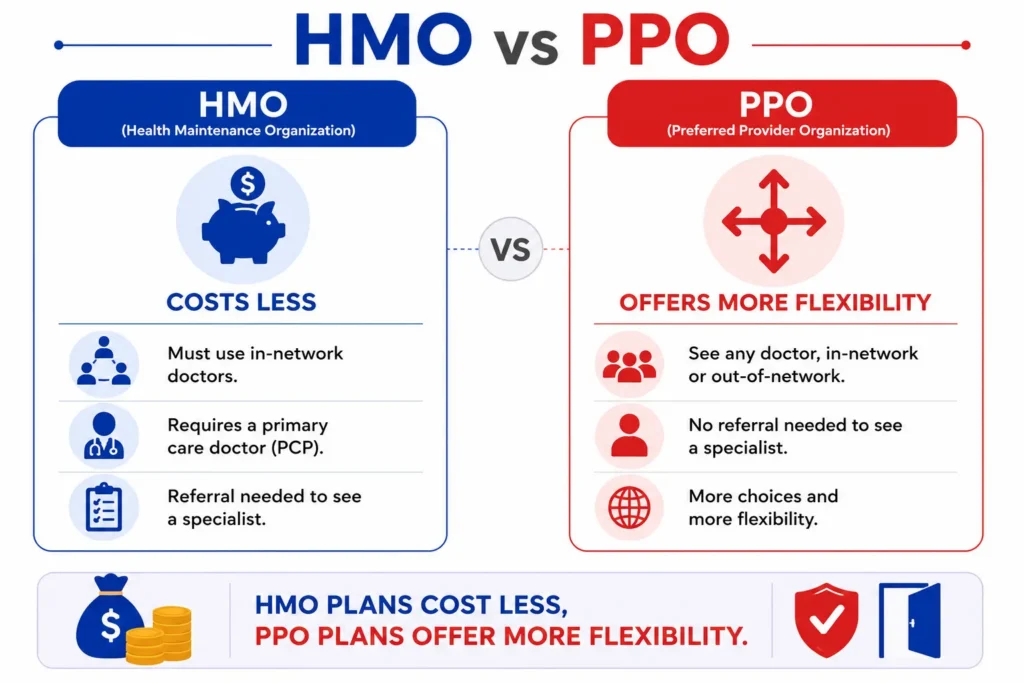
- HMO plans cost less, PPO plans offer more flexibility.
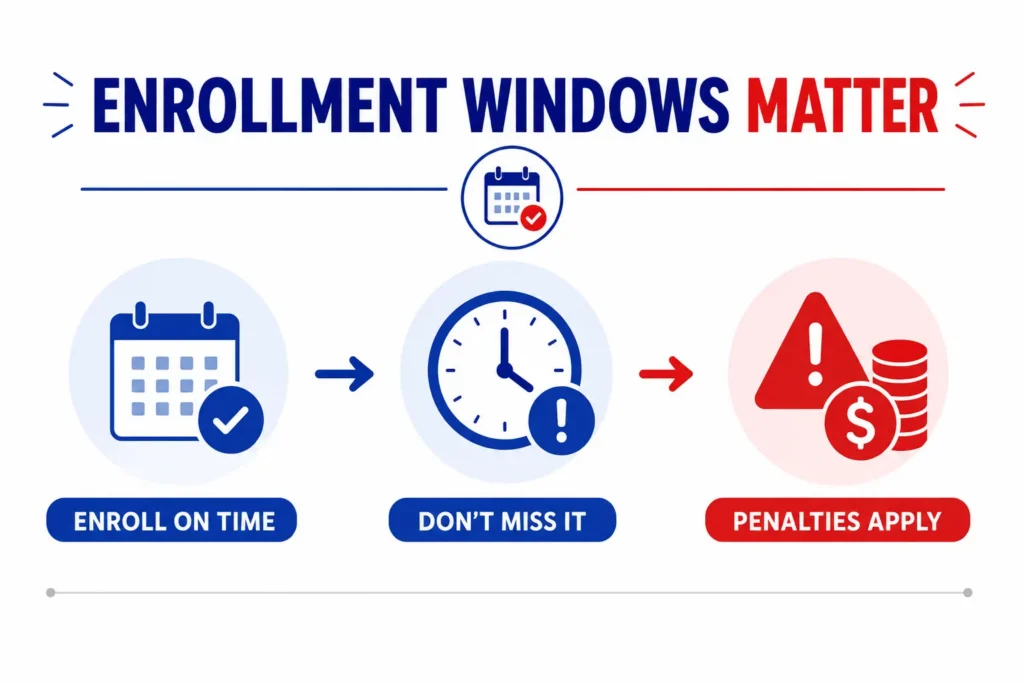
- Enrollment windows matter, missing them has penalties.
- Peoples Medical Care McKinney accepts Medicare Advantage and Medicaid.
Medicare and Medicaid: What Is Actually the Difference
People mix these two up constantly, and it makes sense because the names sound similar, and both involve government health coverage. But medicare and medicaid differences are more significant than most people realize.
Medicare is a federal health insurance program primarily for adults 65 and older. It also covers people under 65 who have certain disabilities or specific conditions like end-stage kidney disease. Your age and work history determine your eligibility, not your income.
Medicaid is different. It is a joint federal and state program designed for people with limited income and resources. Eligibility is income based, and the rules vary from state to state. In Texas, Medicaid coverage extends to low-income children, pregnant women, seniors, and people with disabilities. Unlike Medicare, Medicaid seniors can help cover costs that Medicare leaves behind, including long term care.
Some people qualify for both at the same time. Dual eligibility comes with its own specific plan options called Dual Special Needs Plans, or D-SNPs, which coordinate benefits from both programs in one place.
Advantages of Medicare and How it works:
Original Medicare covers a lot, but it does not cover everything. There are gaps, cost sharing requirements, and things like dental, vision, and hearing that fall outside what original Medicare handles. Medicare Advantage, also called Part C, was built to fill those gaps.
A private insurance company approved by Medicare offers Medicare Advantage plans. Every plan has to cover what original Medicare covers, but most of them go further than that. Dental, vision, hearing, prescription drug coverage, fitness programs, and in some cases even transportation to medical appointments all bundle into a single plan.
In 2026, virtually all Medicare Advantage plans include extra benefits beyond what original Medicare provides. The average Medicare beneficiary in Texas has access to dozens of plan options depending on their county. That range of choice is genuinely useful, but it also means doing some homework before picking up a plan matters more than ever.
Medicare Advantage HMO vs PPO: The Part Most People Get Wrong
This is where a lot of people get confused, and it is worth slowing down on. Medicare Advantage HMO vs PPO is not just a technical distinction. It affects where you can get care and how much you pay when you do.
An HMO plan requires you to use doctors and hospitals within a specific network. You typically need a referral from your primary care doctor to see a specialist. The tradeoff usually lower premiums and lowers out of pocket costs.
A PPO plan gives you more flexibility. You can see doctors outside the network, though it will cost more. You do not need a referral for specialist visits. For people who travel a lot, see multiple specialists, or just want the freedom to pick their own providers without asking anyone’s permission first, a PPO is usually the better fit. The tradeoff is that premiums and cost sharing are typically higher.
Neither option is universally better. It depends entirely on your health needs, your doctors, and how much flexibility matters to you day to day.
Medicare Advantage Prior Authorization: What It Means and Why It Matters
One of the things people do not hear about until it affects them directly is Medicare advantage prior authorization. Prior authorization is when your insurance plan requires approval for certain treatments, procedures, or medications before they will cover them.
In 2026, prior authorization has become a significant topic in Texas specifically. Six states including Texas are piloting a new AI assisted prior authorization review process for certain Medicare covered services. The important thing to know is that a human still makes the final decision; the AI is just part of the review process.
What this means practically is that if your doctor recommends a procedure or specialist visit, there may be a step before you can move forward where the plan must sign off. Understanding that this step exists and knowing to ask your doctor about it in advance saves a lot of frustration.
Can You Switch Medicare Advantage Plans If Something Changes
Yes, and this surprises people who think they are locked in once they choose. Can you switch Medicare Advantage plans depends on timing, but the short answer is that you have more flexibility than most people realize.
The main window to make changes is the Annual Enrollment Period which runs from October 15 through December 7 each year. Any changes you make take effect January 1 of the following year. There is also a Medicare Advantage Open Enrollment Period from January 1 through March 31 where you can switch to a different Medicare Advantage plan or go back to the original Medicare.
Beyond that, a medicare special enrollment period can be triggered by specific life events. Moving to a new area, losing other coverage, entering or leaving a nursing facility, and certain other qualifying events all open a window outside the standard enrollment periods. If your plan gets terminated, which is happening to more beneficiaries in 2026 as some insurers exit certain markets, that situation qualifies you for a special enrollment period.
Medicaid for Seniors: What It Covers Beyond What Medicare Does Not
A lot of older adults assume Medicare covers everything they will need. Medicaid for seniors fills in the gaps that Medicare leaves open, and those gaps can be significant.
Medicare does not cover most long-term care, which includes nursing home care and home health aide services beyond short term skilled nursing. For seniors whose care needs grow beyond what family can provide at home, Medicaid becomes one of the only realistic ways to cover those costs without depleting everything they have saved.
Medicaid for seniors in Texas also helps with Medicare cost sharing, including premiums, deductibles, and copayments for people who qualify for both programs. If you are a senior with limited income and assets, checking whether you qualify for Medicaid alongside your Medicare coverage is one of the most financially important things you can do.
Does Medicare Cover Home Health Care
This one gets asked a lot, and the answer has more nuance than most people expect. Does Medicare cover home health care? Yes, but with specific conditions attached.
Medicare covers home health care when it is medically necessary, ordered by a doctor, and provided by a Medicare certified home health agency. You must be homebound, meaning leaving home requires significant effort, and the care must be considered skilled, meaning it involves a nurse, physical therapist, speech therapist, or occupational therapist.
Medicare does not cover custodial care, meaning help with daily activities like bathing, dressing, or meals, when that is the only kind of care needed. That distinction matters enormously for families planning long term care for an aging parent. Medicare Advantage plans may include some additional home care benefits beyond what original Medicare covers, which is worth checking plan by plan.
How to Enroll in Medicare Advantage
If you are approaching 65 or are already on original Medicare and thinking about switching, knowing how to enroll in Medicare Advantage makes the process much less stressful.
Your initial enrollment window opens three months before the month you turn 65, includes your birthday month, and closes three months after. That is a seven-month window and missing it can result in late enrollment penalties that follow you for years.
To enroll, you can go directly to Medicare.gov and use the plan finder tool, call Medicare at 1-800-MEDICARE, or work with a licensed insurance broker who can walk you through the options available in your specific zip code. In 2026, the Medicare Plan Finder tool has been updated to include provider network lists so you can verify whether your preferred doctors are in network before committing to a plan.
How to Find a Medicaid Doctor and a Primary Care Doctor That Accepts Medicaid
This is honestly one of the more frustrating parts of being on Medicaid. Not every doctor accepts it and the ones who do not always find it easy to find. How to find a medicaid doctor and a primary care doctor that accepts medicaid requires a little more legwork than finding any other kind of provider.
The Texas Medicaid website has a provider search tool where you can filter by location and specialty. Federally Qualified Health Centers are another reliable option because they are required to see patients regardless of insurance status and most accept Medicaid.
At Peoples Medical Care McKinney, Dr. Zulfarah Ishaque and Dr. Munaza Gohar see patients covered by Medicare Advantage and work with patients navigating Medicaid options as part of comprehensive primary care. If you are not sure whether your coverage is accepted or what your options look like, calling the clinic directly is the fastest way to get a clear answer rather than spending hours trying to figure it out online.
FAQ’s
Medicare is a federal program based on age or disability, while Medicaid is a joint federal and state program based on income. Some people qualify for both, known as dual eligibility.
HMO plans require you to use in network doctors and get referrals for specialists, usually at a lower cost. PPO plans offer more flexibility to see providers outside the network without a referral, but at a higher price.
Yes. You can switch during the Annual Enrollment Period from October 15 through December 7, or during the Open Enrollment Period from January 1 through March 31. Certain life events can also trigger a special enrollment period.
Yes, but only when it is medically necessary, ordered by a doctor, and provided by a certified home health agency. You must be homebound and require skilled care, not just help with daily activities.
You can use the Texas Medicaid provider search tool or check with Federally Qualified Health Centers. Peoples Medical Care McKinney also works with patients navigating both Medicare Advantage and Medicaid coverage.
Finding the Right Coverage Starts with the Right Primary Care Team
Medicare Advantage and Medicaid can both be genuinely good coverage once you understand how to use them. The real problem isn’t coverage itself, it’s navigating the details alone, without anyone who knows your health history to help make sense of it.
At Peoples Medical Care McKinney, the team is here for exactly that. Whether you’re on Medicare Advantage, Medicaid, or still deciding, having a primary care provider who knows your full picture changes everything.
Book your visit at peoplesmedcare.com or call 469-902-8197. New patients are always welcome.