
Healthcare is shifting. For decades, the system rewarded volume, meaning more visits, more tests, and more procedures often meant more revenue for providers regardless of whether patients actually got healthier. Value based care changes that equation entirely, and understanding it can help you become a more informed patient.
This shift is not just a policy conversation happening in the background. It is already changing how appointments are scheduled, how follow up calls happen after a hospital stay, and how your doctor approaches your annual checkup. Knowing what is behind these changes helps you get more out of every visit.
Key takeaway:
- Value-based care rewards doctors for keeping you healthy, not for ordering more services.
- A patient-centered medical home coordinates all your care through one provider.
- Integrated healthcare connects physical and mental health treatment.
- Population of health management catches problems before they become serious.
- Strong post-hospitalization follow-up prevents unnecessary readmissions and supports real recovery.
Definition of Value Based Care
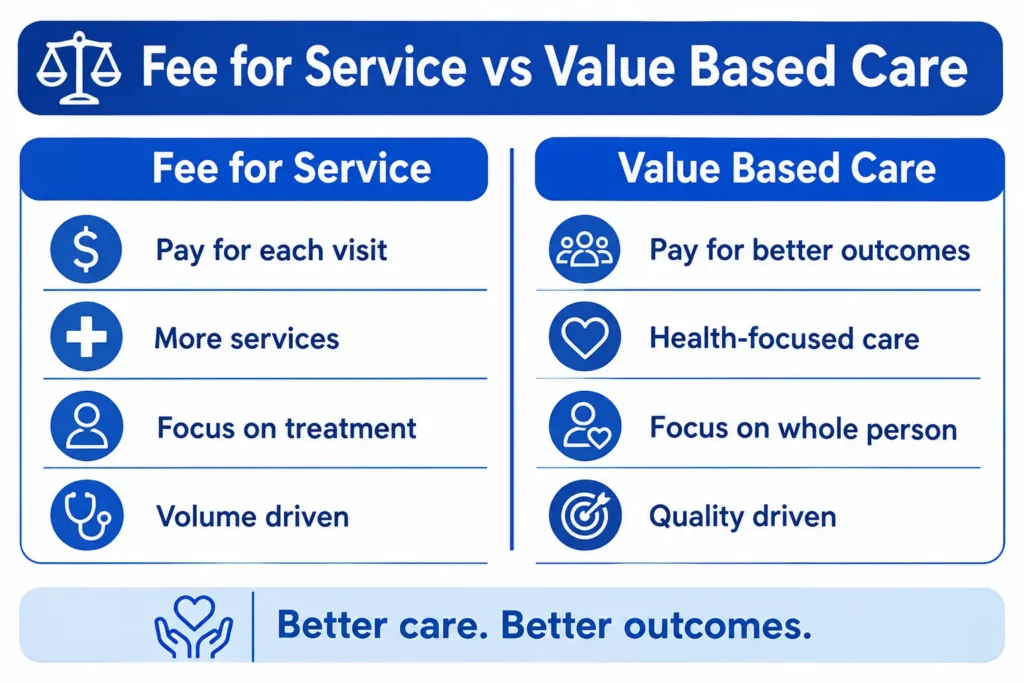
The definition of value based care centers on one simple idea. Providers earn payment based on how healthy their patients stay rather than how many services they perform, which means doctors get rewarded for helping patients get and stay healthy instead of simply doing more.
This model encourages prevention, coordination, and long-term wellness planning rather than reactive treatment. For patients, it often means more attentive care, fewer unnecessary procedures, and a stronger focus on your actual health goals.
In practical terms, this can look like longer appointment times, more thorough conversations about lifestyle and prevention, and a provider who checks in with you between visits rather than only during scheduled appointments.
Why This Shift Matters to You
Under traditional fees for service models, there was little financial incentive for providers to prevent illness. Value based care flips. Your provider now benefits when you avoid hospital visits, manage chronic conditions well, and stay on top of preventive screenings.
This means your doctor is more invested in your long-term outcomes, not just the immediate reason for your visit. A visit for a minor cold might also include a conversation about your blood pressure trends, your last screening date, or how you have been managing stress.
Over time, this approach tends to catch problems earlier, when they are easier and less expensive to treat. It also builds a stronger, more trusting relationship between patients and their care teams.
What Is a Patient Centered Medical Home
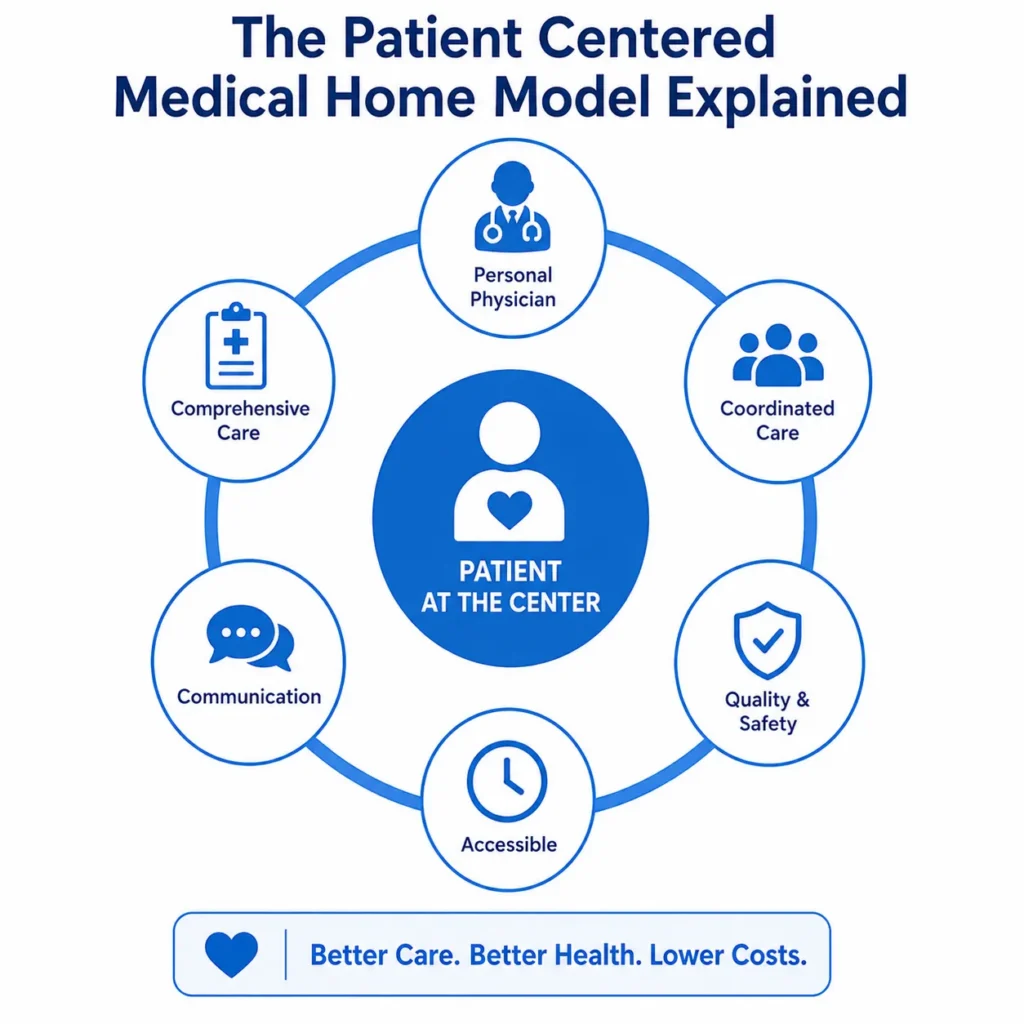
A patient centered medical home is a care model built around you as a whole person rather than a list of symptoms. Your primary care team coordinates every part of your care, from routine checkups to specialist referrals to prescription management.
Your primary care physician serves as a single point of contact, tracks your full history, and makes sure nothing falls through the cracks. This model reduces duplicate testing, conflicting treatment plans, and communication gaps between different providers.
For patients managing multiple conditions, this structure is especially valuable. Instead of juggling separate instructions from a cardiologist, an endocrinologist, and a primary care doctor, everything flows through one coordinated plan. This reduces confusion, missed medications, and conflicting advice.
Patients in a medical home also tend to have easier access to same day appointments, secure messaging with their care team, and clearer instructions after every visit.
What Is Integrated Healthcare
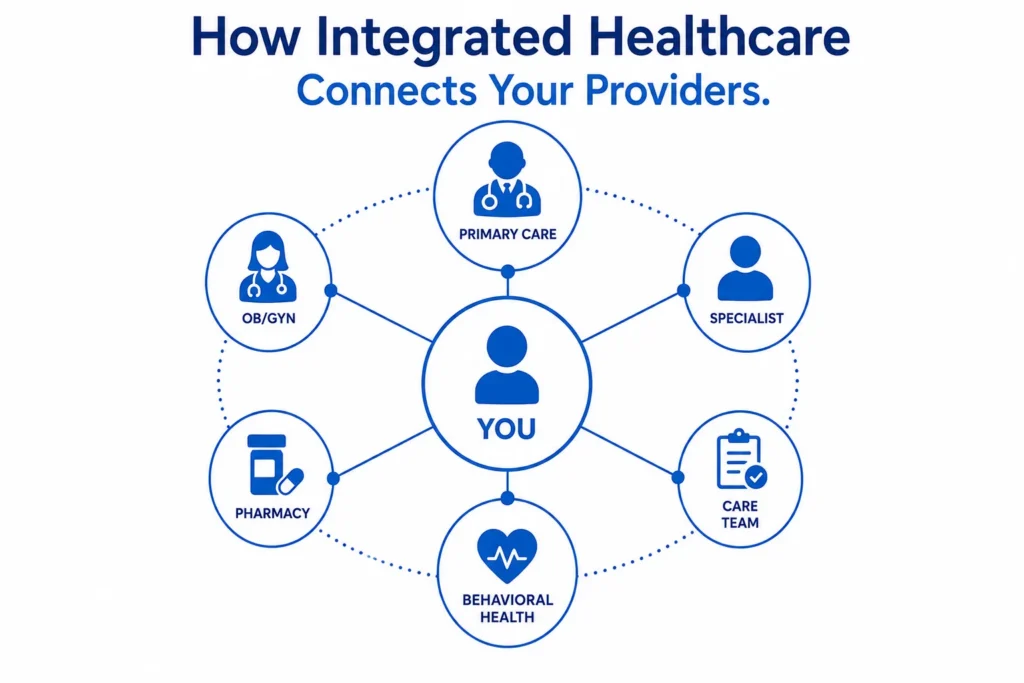
Integrated healthcare means your physical health, mental health, and specialty care are connected rather than treated in separate silos. In a traditional system, your primary doctor, therapist, and specialists often do not communicate with each other.
Integrated healthcare closes that gap. Your providers share information, coordinate treatment plans, and work together, so your care feels connected rather than fragmented. This is especially important for patients managing both physical and mental health conditions at the same time.
A patient dealing with diabetes and depression benefits when both providers understand how each condition affects the other, since poor blood sugar control worsens mood and untreated depression makes it harder to stick to a diabetes management plan. Integrated healthcare ensures these connections are addressed together instead of separately.
What Is Population Health Management
Population health management looks beyond individual visits to track health trends across an entire patient community. Clinics using this approach analyze data on chronic disease rates, vaccination gaps, and preventive screening compliance across all their patients.
This allows providers to identify at risk groups early and reach out proactively, rather than waiting for patients to show up with advanced symptoms. For you, this might mean receiving a reminder about a screening you are due for, based on your age or health history, before a problem develops.
This data driven approach also helps clinics allocate resources more effectively. If a certain age group shows rising rates of high blood pressure, the clinic proactively offers more screenings and education rather than waiting for patients to raise concerns.
Hospital Readmission Prevention
One of the clearest goals of value based care is hospital readmission prevention. A hospital readmission that happens shortly after discharge is stressful, costly, and often preventable when the right follow-up care happens on time.
Under this model, your care team focuses heavily on what happens after you leave the hospital. That means reviewing medications for conflicts, confirming you understand your discharge instructions, and scheduling a follow-up visit before you even walk out the door.
Readmission prevention pulls nurses, care coordinators, and your primary care physician together to reduce the chances of a setback.
Leaving the Hospital and What Comes Next
Leaving the hospital can feel like the end of a health crisis, but the days that follow are actually critical. Post hospitalization care determines whether your recovery sticks or whether you end up back in the emergency room.
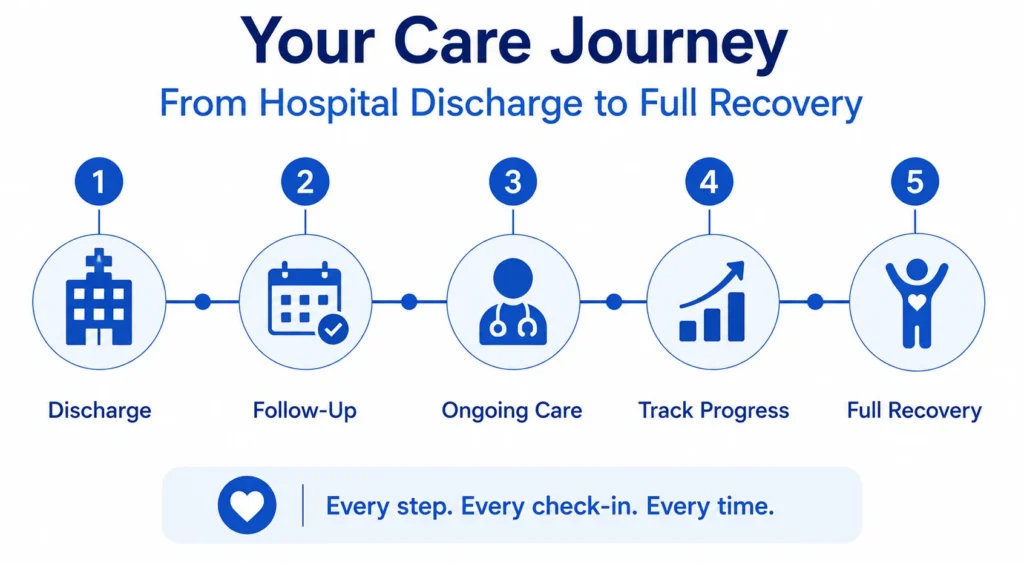
A strong follow up plan typically includes a scheduled visit with your primary care physician within days of discharge, clear medication instructions, and someone checking in on how you are managing at home.
Many patients feel overwhelmed right after discharge, juggling new medications, dietary changes, and physical limitations all at once. A well-coordinated follow up plan reduces that overwhelm by breaking recovery down into manageable steps with clear support along the way.
Making Post Hospitalization Care Work
Good post hospitalization support means your care team follows up directly rather than leaving you to figure things out alone. This might include phone check ins, home health visits, or a quick appointment to review medications and recovery progress.
This kind of attentive follow-up is a direct result of value based care incentives, since providers are motivated to keep you healthy and out of the hospital after discharge.
If you have recently left the hospital, it is worth asking your care team directly about your follow up plan. A good provider will already have one in place, including a scheduled visit and clear instructions on warning signs that would require immediate attention.
Mental Health Care Coordination
Mental health has long been treated separately from physical health, but that separation often hurts patients. It ensures your primary care provider and mental health provider are talking to each other.
This matters because physical and mental health are deeply connected. Chronic stress affects blood pressure. Depression affects medication adherence. A coordinated approach means your full health picture is considered, not just isolated pieces of it.
When mental health care is coordinated properly, your primary care provider catches concerns early, flags signs of anxiety or depression during a routine visit, and connects you with the right support before things escalate. This proactive approach is far more effective than waiting for a crisis to prompt action.
Accountable Care Organization and Medicare
An accountable care organization is a network of doctors, hospitals, and providers who voluntarily work together to give coordinated care to patients, particularly those on Medicare. The accountable care organization Medicare model rewards these groups financially when they successfully improve patient outcomes while controlling unnecessary costs.
For Medicare patients, this often translates into better coordinated care, more preventive services, and closer monitoring of chronic conditions like diabetes or heart disease.
This model also reduces the burden on patients to manage their own care coordination. Instead of being responsible for relaying information between different specialists yourself, the accountable care organization structure ensures that communication happens on the provider side.
How Do I Know if My Doctor Is Good
This is one of the most common questions patients ask, and it deserves a real answer. A good doctor listens fully before jumping to conclusions. They explain things clearly instead of using confusing medical jargon. They follow up on test results and past visits instead of treating every appointment like a blank slate.
A good doctor also coordinates with other providers you see, respects your time, and involves you in decisions about your own care rather than dictating them. If your current provider does these things consistently, that is a strong sign you are receiving value based, patient centered care.
Beyond these basics, a good doctor takes time to understand your specific circumstances, whether that means your work schedule, your family history, or your personal comfort level with certain treatments. They adjust their approach based on you as an individual rather than applying a generic template to every patient.
Finding a Primary Care Physician in McKinney
If you are searching for a primary care physician in McKinney, look for a provider who practices within this coordinated, outcome focused model. Ask whether they track your preventive screenings, coordinate with specialists, and follow up after hospital visits or major health changes.
These questions help you identify a provider who genuinely invests in your long-term health rather than simply treating whatever brings you in that day.
It also helps to ask about how the clinic handles communication between visits. Ask whether they offer secure messaging, call to check in after a hospital stay, and proactively remind you about overdue screenings. These small details often reveal a lot about whether a clinic is truly operating under a value based, patient-centered model.
Traditional healthcare paid doctors for the number of services they performed. Value-based care pays them based on how healthy their patients actually stay. Your doctor now benefits when you avoid hospital visits and manage chronic conditions well, which means your interests and your provider’s interests finally point in the same direction.
It is a care model built around you as a whole person. Your primary care physician coordinates everything, from routine checkups to specialist referrals, so nothing falls through the cracks. For patients managing multiple conditions, this eliminates conflicting advice and duplicate testing.
Integrated healthcare connects your physical health, mental health, and specialty care instead of treating them in separate silos. When your providers share information and coordinate treatment, your full health picture gets addressed rather than isolated pieces of it.
A good sign is a doctor who follows up on past visits, coordinates with your specialists, reminds you about overdue screenings, and involves you in decisions about your own care rather than dictating them.
What This Means for Patients at Peoples Medical Care
At its core, value based care aligns patient wellbeing directly with what providers earn, so both sides finally push in the same direction. When your doctor benefits from keeping you healthy rather than ordering more tests, your interests and your provider’s interests finally point in the same direction.
For patients in McKinney, this means more coordinated care, stronger follow up after hospital stays, and a primary care experience built around your actual outcomes rather than a checklist of services.
This model also takes a long-term view of your health. Your care team is thinking about where you will be in five or ten years, not just resolving today’s complaint. Understanding these terms helps you ask better questions and take a more active role in your own care as the healthcare system continues to move in this direction